


















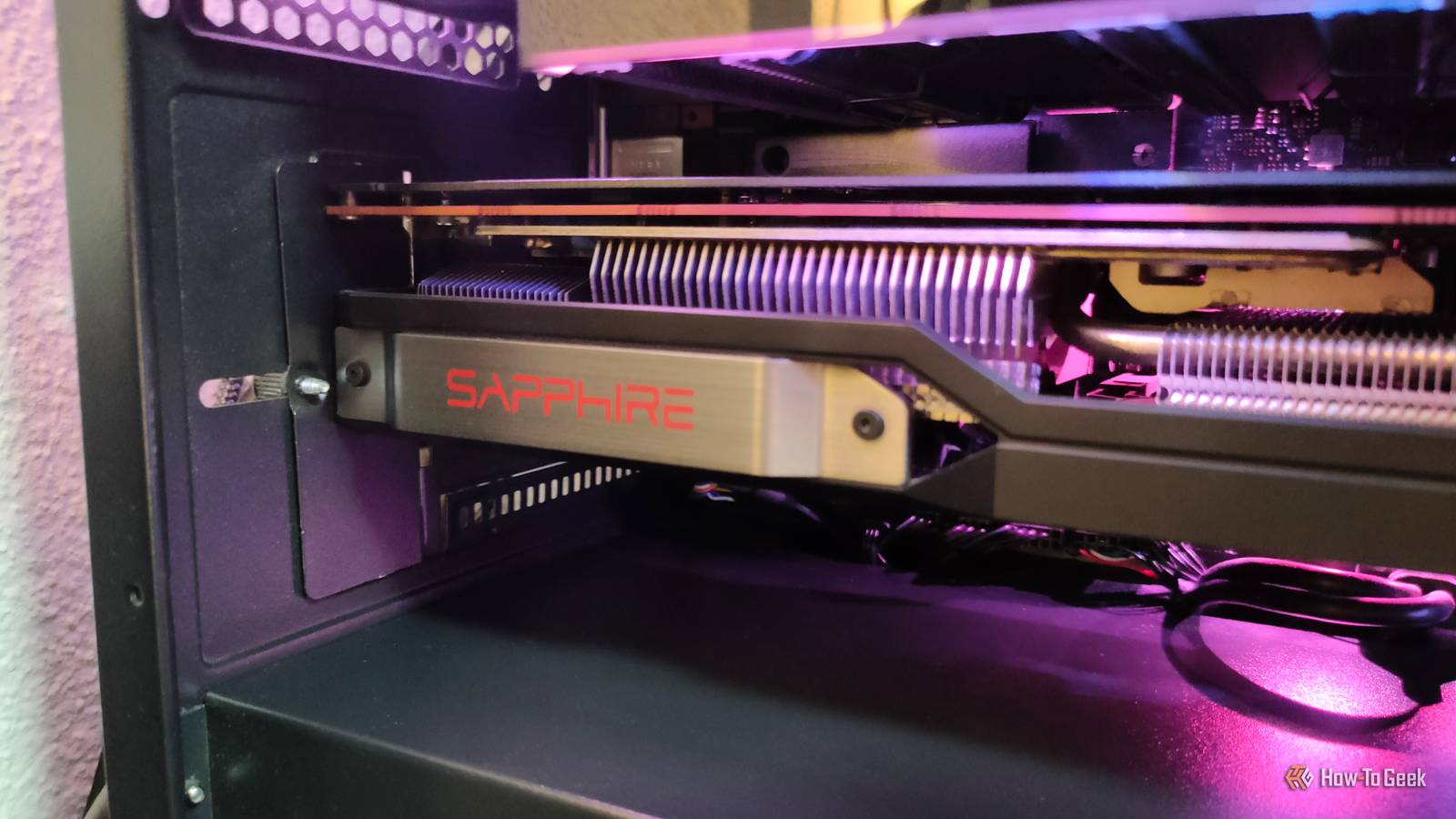
The ongoing rise in DRAM prices has significantly impacted the gaming hardware market, causing prices for components like RAM and NVMe drives to surge. As a result, gamers who didn’t upgrade their systems a few months ago are now facing a challenging landscape characterized by escalating costs. However, for those looking to build or enhance their gaming PCs, purchasing used hardware presents a viable solution.
Currently, last-generation components offer the best performance per dollar, providing an affordable alternative in an otherwise expensive market. It is important to manage expectations: bargains on current-generation parts are rare, as many users are hesitant to part with equipment that is still relatively new. Deals are more likely to be found on last-gen and pre-last-gen hardware, which has already depreciated in value.
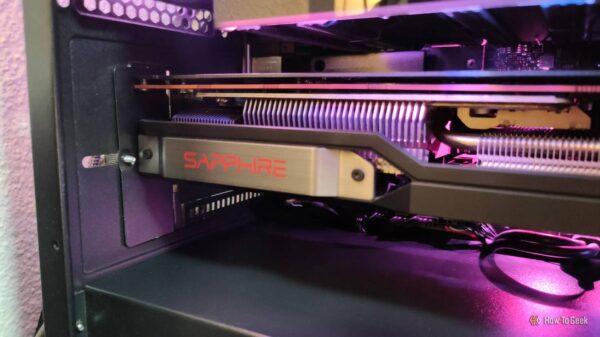
Finding a current-gen graphics card, for instance, is challenging as most gamers are reluctant to sell them shortly after purchase. While there may be occasional listings—like an RX 9060 XT being sold off for a minor discount—these instances are few and far between, especially for components like NVMe drives and motherboards. For those seeking significant savings, a focus on used last-gen parts, such as the RX 6800 XT, can provide excellent performance for 1080p and 1440p gaming.
In the current market, prices for new DDR5 RAM are high, with sellers attempting to capitalize on leftover stock by inflating prices. A used 32GB DDR5 kit priced at $300 is far from a bargain when compared to the same kit costing around $100 just months ago. This makes last-gen RAM a more sensible option, as DDR4 kits can be found for $100 to $150. Although DDR4 is slower, it is still sufficient for gaming and a fraction of the cost of newer alternatives.
Mixing Used Parts or Buying Complete Systems
One crucial decision for potential PC builders is whether to purchase a complete used system or to acquire individual components. Full systems are generally more budget-friendly and offer a plug-and-play experience without the hassle of ensuring compatibility between parts. However, opting for a complete system means accepting someone else’s choices for hardware, which could lead to higher costs down the line when replacements are needed. Individual parts can often be sourced at more competitive prices, allowing for tailored builds that meet specific gaming needs.
Despite some inherent risks associated with buying used components, such as the uncertainty of their condition, the reward can be worth it. A strategy that involves mixing and matching parts can lead to significant savings, especially when considering the cost of new components. With the right approach, users can effectively navigate the used market and assemble a powerful gaming rig without overspending.
However, caution is advised when encountering deals that seem too good to be true. Prices significantly lower than the market average should raise red flags, and potential buyers are encouraged to verify the condition of components before making a purchase. Whenever possible, testing parts in person can help mitigate the risk of acquiring faulty hardware. Buyers should also consider meeting in public spaces where testing is feasible, ensuring a smoother transaction.
While the used market offers substantial potential for savings, some components should still be purchased new. Power supplies, for instance, have a limited lifespan and are notoriously difficult to evaluate in terms of previous performance. Investing in a new power supply guarantees access to the latest safety features and reliable performance. Similarly, while NVMe prices are rising, buying used can be viable if health checks are conducted beforehand. Case fans and PC cases, on the other hand, can often be sourced affordably as new products.
Ultimately, the current landscape of the gaming hardware market presents both challenges and opportunities. While component prices rise, savvy consumers can still build powerful gaming PCs by focusing on last-gen parts and exploring the used market. With careful planning and research, it’s possible to create a capable gaming setup without succumbing to the spiraling costs typically associated with new hardware.