



















The landscape of graphics processing units (GPUs) saw significant developments in 2025, marked by launches from major players like Nvidia, AMD, and Intel. Despite initial excitement, disappointing availability and pricing overshadowed the advancements in technology. Noteworthy entries from the Nvidia GeForce RTX 50-series, AMD Radeon RX 9000-series, and Intel’s Arc Battlemage lineup showcased impressive benchmarks, but the reality of accessibility and cost dampened the enthusiasm for many gamers and creators alike.
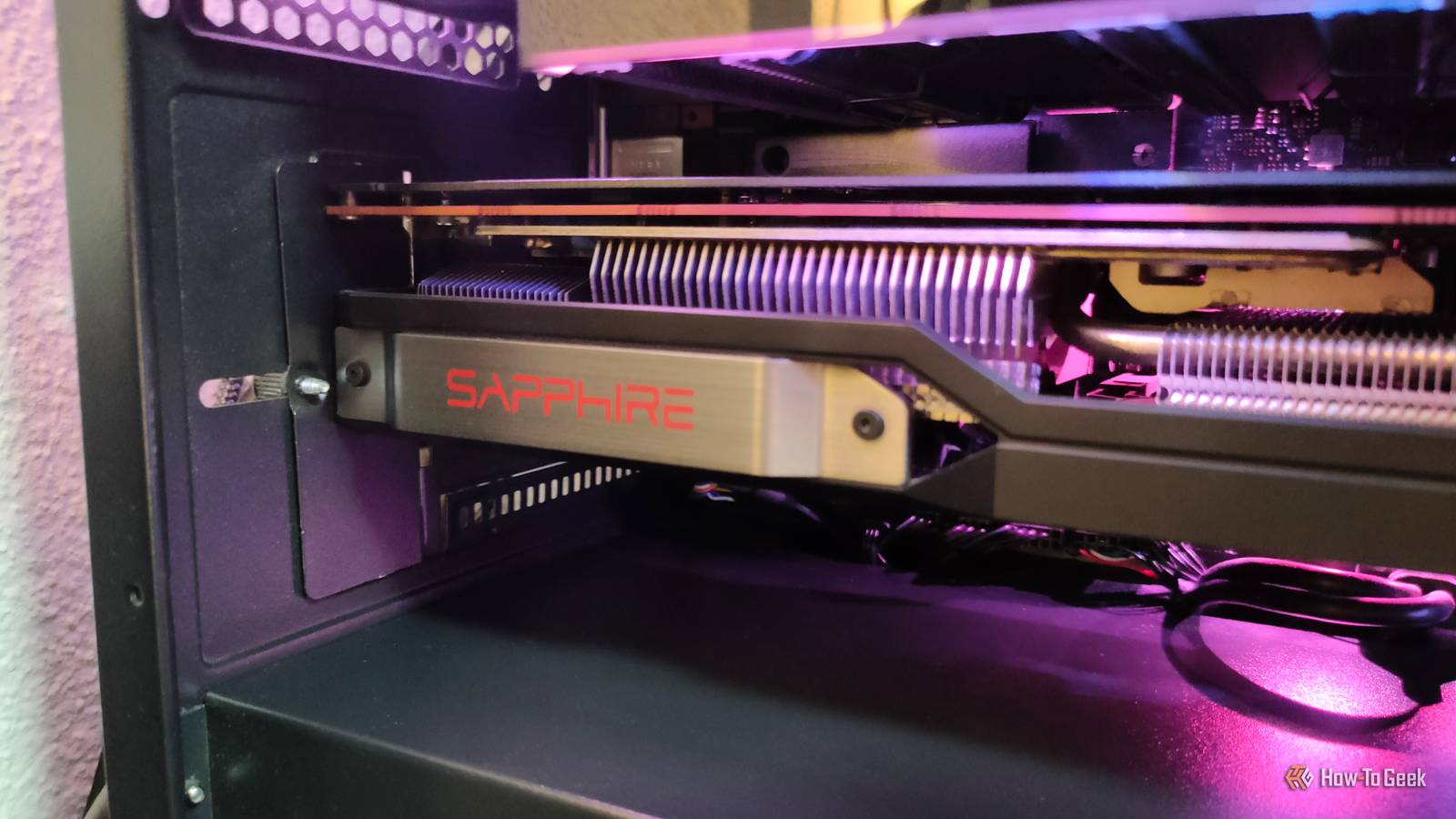
Among the standout releases was the AMD RX 9070 XT, a surprise addition that offered solid performance at a competitive price point of $599. While AMD did not challenge Nvidia at the high end, the RX 9070 XT provided a compelling alternative, performing just under Nvidia’s RTX 5070 Ti and even surpassing AMD’s RX 7900 XT in rasterization benchmarks at 4K. Its ray tracing capabilities, while not quite matching those of Nvidia, demonstrated a significant improvement, making it a strong option for gamers looking to balance performance and cost. Unfortunately, as supply issues plagued the market throughout the year, the RX 9070 XT often sold above its MSRP, making availability a persistent concern for consumers.
In contrast, the Nvidia RTX 5070 Ti commanded a $749 MSRP, positioning itself as a leading mid-to-high-end GPU option. While it offered only marginally better performance than the RX 9070 XT, the Nvidia card’s integration of DLSS 4 technology allowed it to maintain its status as the preferred choice for many gamers. The added value of DLSS 4, known for its Multi-Frame Generation capabilities, made the RTX 5070 Ti a go-to for players seeking enhanced frame rates without significant latency. The price dynamics shifted over the year, with the RTX 5070 Ti settling around $770 to $830, while AMD’s RX 9070 XT was available for closer to $630, making the competition even tighter.
The AMD RX 9060 XT emerged as a budget-friendly alternative for those building midrange PCs, priced at $369 for the 16GB version. This card posed a direct challenge to Nvidia’s RTX 5060 Ti, which at $429 offered less VRAM for a higher price. The RX 9060 XT’s performance matched that of Nvidia’s offering, making it an attractive option for consumers looking to maximize value. While the lack of Nvidia’s frame generation capabilities was notable, AMD’s own FSR 4 technology provided a semblance of similar benefits, further solidifying the RX 9060 XT’s position in the budget market.
On the high end, the Nvidia RTX 5090 was introduced as the most powerful consumer GPU available, boasting performance improvements ranging from 20% to 40% compared to its predecessor, the RTX 4090. However, most benchmarks revealed gains closer to 25%. Even with its impressive capabilities, the RTX 5090’s $1,999 MSRP frequently translated to market prices exceeding $2,300, which raised questions about its value proposition given the diminishing returns in performance compared to previous generations.
Conversely, the year was not without its disappointments; the Nvidia RTX 5060 Ti stood out as a significant letdown, particularly the 8GB VRAM variant priced at $379. This configuration faced criticism for its lack of compelling advantages over AMD’s RX 9060 XT, which offered double the VRAM at a lower price. The 16GB version of the RTX 5060 Ti, while priced at $429, failed to justify its existence against better-equipped competitors. The RTX 5060 Ti seemed to serve mainly as a vehicle for DLSS 4 technology without delivering adequate performance, leaving many consumers disillusioned.
As the market adjusts to these fluctuations, prices have stabilized but remain unpredictable. Those in need of a new GPU are encouraged to act sooner rather than later, as expectations for rising prices loom. The ongoing evolution in GPU technology, paired with the volatility of the market, underscores the importance of strategic purchasing decisions for gamers and content creators alike.