


















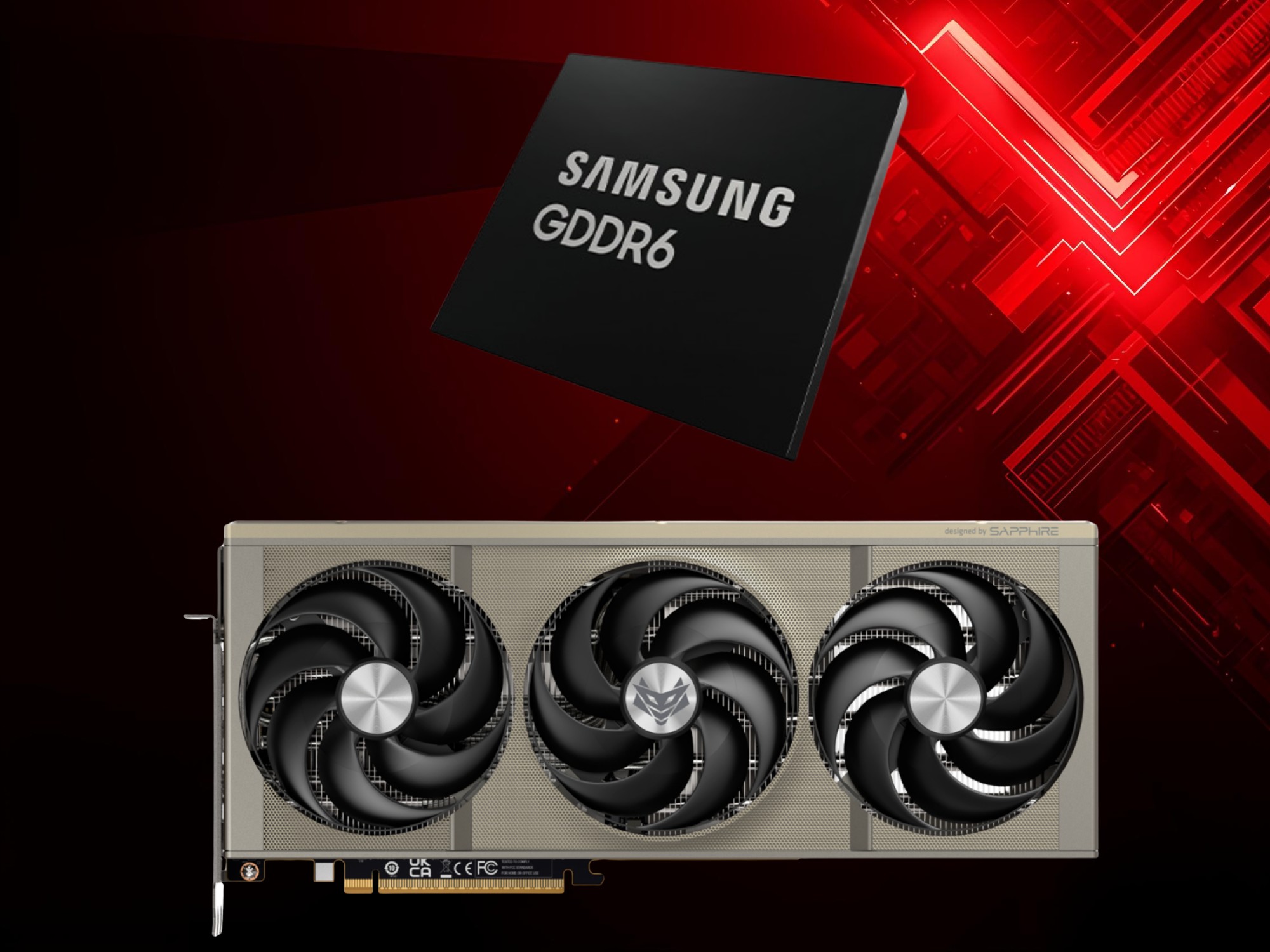
In a recent discussion on The Hardware Unboxed Podcast, Edward Crisler, a representative from Sapphire, addressed the escalating costs associated with DDR5 memory, which are alarming many in the PC gaming community. As prices soar, Crisler suggests that holding off on purchases for approximately six months could be a beneficial strategy for consumers looking to build or upgrade their gaming rigs. The current market for memory is fraught with panic buying, a phenomenon that could significantly impact the broader hardware industry.
The rising prices of DDR5 RAM have raised serious concerns about the feasibility of new PC builds, with gamers feeling the pinch in their wallets. Crisler noted that the panic surrounding memory prices has created an atmosphere of uncertainty, leading many to consider delaying necessary upgrades or purchases altogether. “If memory prices are unreasonable, some gamers may avoid buying cases, motherboards, and other parts,” he explained, emphasizing the potential ripple effect on the hardware market.
Despite the gloomy outlook for the immediate future, Crisler remains optimistic about a potential stabilization of prices in the coming months. He anticipates that, while the situation is dire now, it may improve within six to eight months. “There’s a lot of uncertainty taking place in the market,” he said, highlighting that some buyers are bracing for a worst-case scenario. This caution is reminiscent of previous instances of market fluctuations, such as the reactions to U.S. tariffs, where vendors hastily adjusted product inventories in response to perceived threats.
However, not all analysts share Crisler’s optimistic perspective. Insights from major DRAM manufacturers like Samsung and SK Hynix suggest that the memory market may remain inflated for several years, with predictions extending as far as 2028. These companies are hesitant to ramp up production despite high demand from burgeoning sectors like AI data centers, fearing that an oversupply could jeopardize their profitability in the long term.
Even if DDR5 memory prices do not decrease, Crisler expressed confidence that consumers will adapt, drawing on historical evidence of how enthusiasts have navigated past scarcity and cost challenges. For instance, gamers have previously optimized older hardware when new components were costly or difficult to procure. Some may also consider utilizing less memory in their setups as a workaround to manage costs effectively.
As the situation continues to evolve, the implications for the PC gaming landscape remain significant. With memory costs affecting not just individual consumers but the hardware industry as a whole, the potential for a prolonged period of inflated prices could reshape how gamers approach their builds. The hope is that, as the market stabilizes, it will foster a more accessible environment for both new and seasoned players, allowing the gaming community to thrive despite the current challenges.