









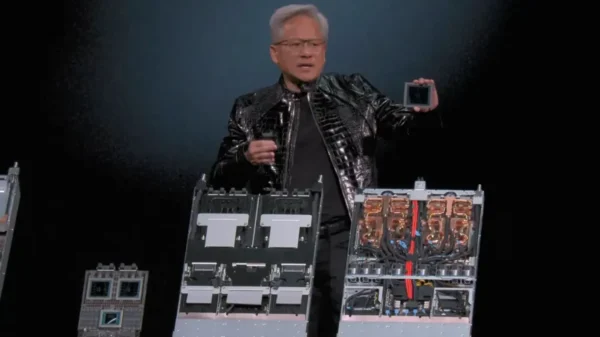













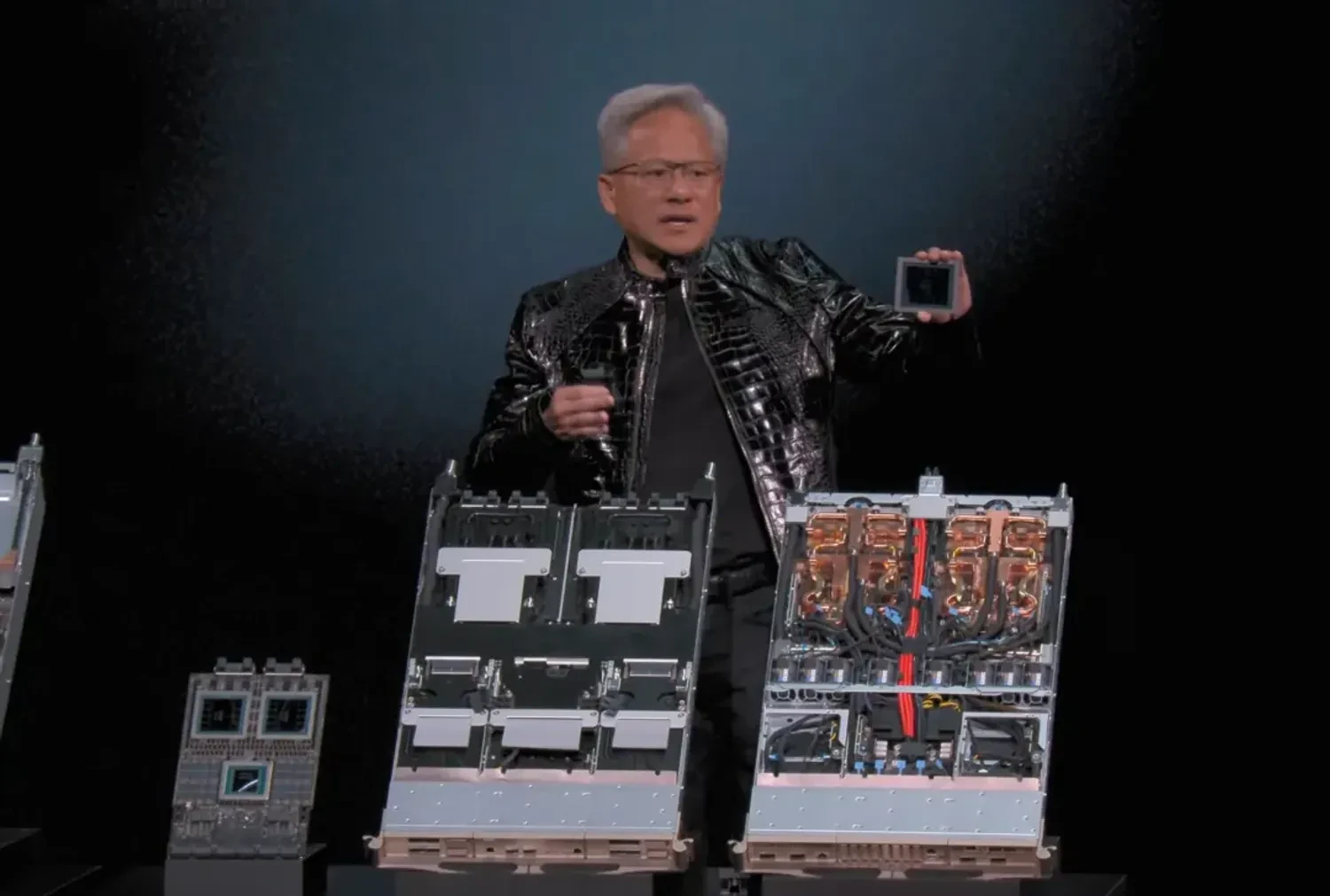
Nvidia is set to initiate 2026 with the early launch of its new Vera Rubin computing platform, following a record year for its predecessor, Blackwell GPUs, which saw substantial growth driven by an AI boom, according to a report from The Verge. The announcement came during a press briefing that preceded a keynote presentation at CES 2026.
Dion Harris, Nvidia’s Senior Director of High-Performance Computing and AI Infrastructure Solutions, described Vera Rubin as a groundbreaking architecture composed of “six chips that make up one AI supercomputer.” This configuration features the Vera CPU, Rubin GPU, 6th generation NVLink switch, Connect-X9 network card, BlueField4 DPU, and Spectrum-X 102.4T CPO. The platform is poised to support third-generation confidential computing, and Nvidia claims it will be the first reliable rack-scale computing solution on the market.
Nvidia’s assertions regarding the Rubin GPU are ambitious; the company states it can offer five times more computing resources for AI training compared to its predecessor, Blackwell. The Vera Rubin architecture is designed to train large AI models using a “mixture of experts” (MOE) structure, achieving this in the same timeframe as Blackwell while employing four times fewer GPUs and costing merely one-seventh per token.
The decision to launch Rubin earlier than anticipated comes shortly after Nvidia reported record-high revenue from its data center operations, which surged 66 percent year-over-year. This remarkable growth is largely attributed to the soaring demand for Blackwell and Blackwell Ultra GPUs, which set a high benchmark for the upcoming Rubin platform and highlighted the current “AI bubble.” Nvidia’s partners are expected to roll out products and services powered by the Rubin platform in the latter half of 2026, positioning the company to capitalize on this burgeoning market.
The early rollout of the Vera Rubin computing platform may signify Nvidia’s strategy to stay ahead in the rapidly evolving AI landscape. As companies increasingly rely on advanced AI technologies for various applications, the demand for robust computing resources is likely to grow, making the capabilities of the Rubin platform especially relevant.
In the broader context of the gaming and esports industries, the advancements in AI computing could influence how developers approach game design and artificial intelligence within their titles. As gaming becomes ever more data-intensive, the implications of enhanced computing resources could lead to richer, more immersive experiences for players while also optimizing backend functionalities.
Nvidia’s trajectory appears set to continue as it seeks to leverage its innovations within the AI domain. The introduction of the Vera Rubin platform not only underscores Nvidia’s commitment to pushing technological boundaries but also highlights the critical intersection of AI and gaming. With the launch expected to make waves in the second half of 2026, the gaming community will be watching closely to see how these new capabilities will be integrated into future titles and experiences.