









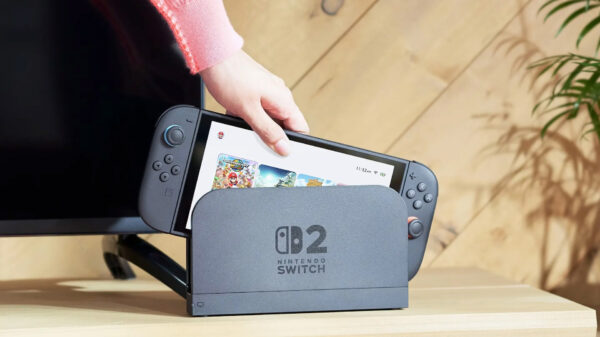

















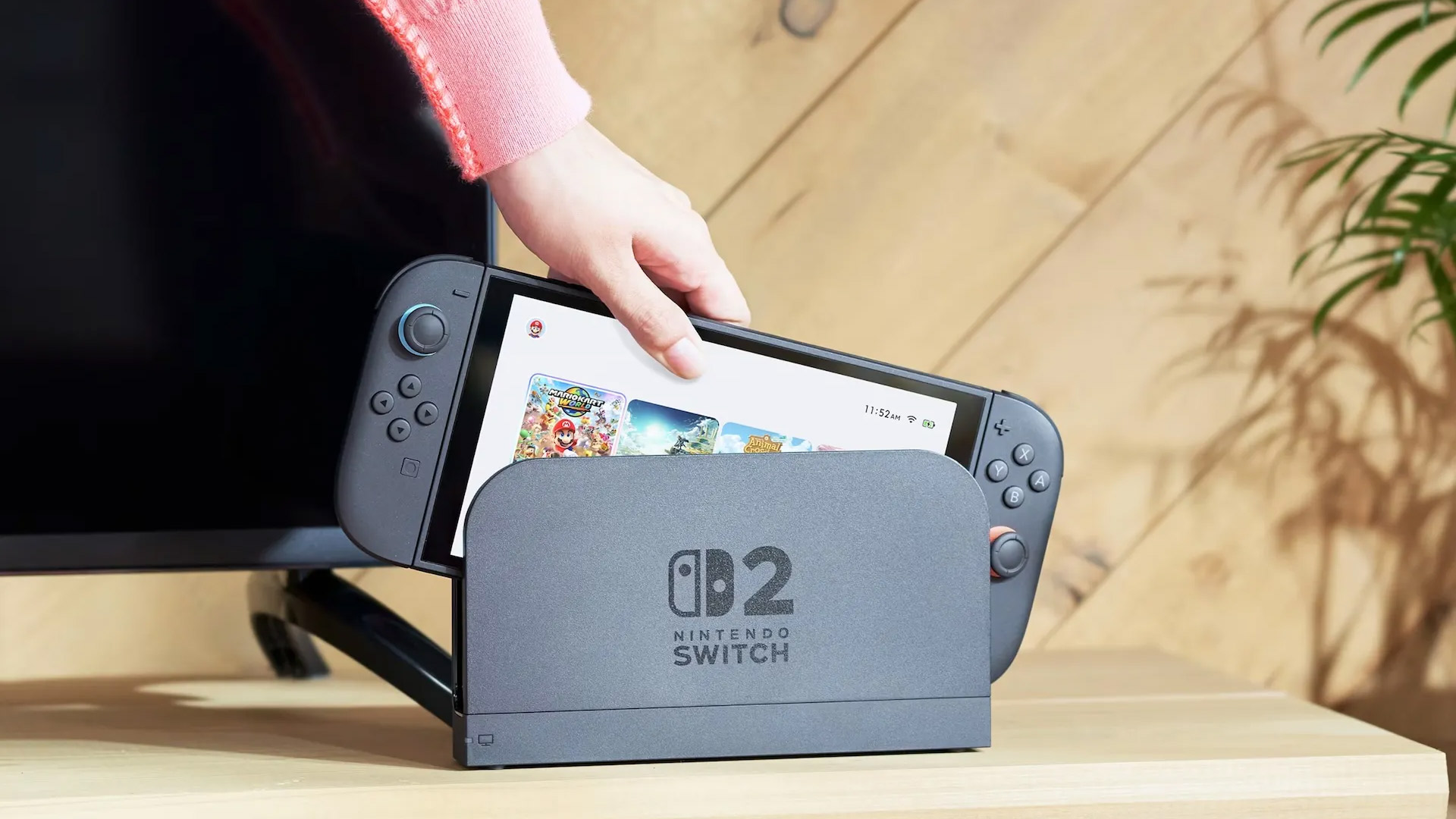
The Nintendo Switch 2 experienced a challenging holiday season, with sales markedly lagging behind those of the original Switch during its inaugural year. Data from Circana and NielsenIQ, reported by The Game Business, indicates that while the console is not failing, its momentum over the holidays was significantly weaker, particularly in Western markets.
In the United States, sales of the Switch 2 during November and December were approximately 35% lower than the original Switch’s performance during the same period in 2017. This decline occurred amid a difficult hardware market, as Circana reported that the U.S. console market recorded its worst November since 1995. Such an environment made it challenging for any console to perform optimally during the festive season.
The Switch 2 did not benefit from substantial discounts during the holiday period. Although there were some opportunities for savings, particularly through wholesale retailers like Sam’s Club during Black Friday, Nintendo refrained from altering the console’s price. With reports indicating a 41% increase in RAM prices for the console’s memory, it is unlikely that Nintendo will reduce the current $449.99 MSRP.
Results in Europe were mixed. In the United Kingdom, sales of the Switch 2 during the final eight weeks of 2025 were down 16% compared to the original Switch’s performance in the same timeframe in 2017. However, when combining sales from both Switch models, Nintendo’s total hardware sales in the UK during November and December 2025 were actually up 7% compared to the same period in 2017. Notably, Switch 2 sales for the year concluded 6% higher than those of the original Switch, despite the latter being available for an additional 14 weeks.
France, typically one of Nintendo’s strongest European markets, underperformed significantly. Reports indicate that Switch 2 sales in France were over 30% lower than what the Switch achieved during its first year. While France stood out as the weakest market throughout the year, it was noted that all major European regions experienced a slowdown in sales momentum during the Christmas period. Conversely, in Japan, sales remained stable; although holiday sales were slightly lower than those of the original Switch launch period, full-year sales were notably stronger overall.
A senior Nintendo employee explained to The Game Business that the challenging economic climate, increased hardware prices, and a lack of significant Western game releases during the Christmas season contributed to the difficulties in matching the original Switch’s performance. Despite the hurdles, they expressed pride in the outcomes achieved during a notably tough year.
This performance raises questions about the overall health of the console market and the factors influencing consumer purchasing decisions. As the gaming landscape continues to evolve, it remains crucial for companies like Nintendo to adapt strategies that not only attract new customers but also maintain loyalty among existing users. Looking ahead, the company faces the dual challenge of navigating economic pressures while also delivering compelling content that resonates with gamers in a competitive environment.