




















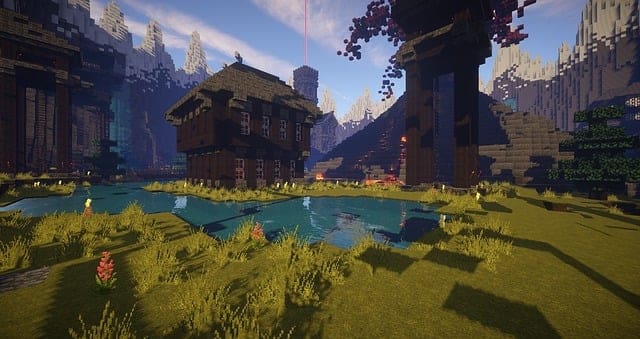
Minecraft continues to engage millions of players even after a decade since its launch. The game, known for its block-based worlds, offers a surprising depth of gameplay that attracts both casual gamers and dedicated enthusiasts. Understanding the core mechanics, hardware specifications, and various gameplay modes is essential for those looking to immerse themselves in this ever-evolving experience.
The essence of Minecraft lies in its infinite world generation and an addictive gameplay loop. Players collect resources, craft tools, and build structures, gradually pushing the boundaries of their creations. This straightforward concept contributes to the game’s lasting appeal, making it easy for newcomers to pick up while providing ample room for deeper strategies and elaborate builds.
Among the various gameplay modes, Survival Mode stands out as the quintessential Minecraft experience. Players begin with nothing and must navigate a world filled with challenges, including hostile creatures and resource scarcity. The progression in Survival is methodical: find food, build shelter, mine for valuable materials, and upgrade gear to face tougher obstacles. This unhurried pacing allows players to invest hundreds of hours into a single world, crafting unique experiences.
Creative Mode, on the other hand, shifts the focus to limitless building opportunities, free from the constraints of resource management and enemy encounters. Players utilize this mode to construct grand structures, experiment with redstone mechanics, or plan collaborative projects without the pressures of survival. Some of the most impressive constructions showcased online have emerged from this mode, highlighting its potential for creativity.
For those intrigued by custom content, Adventure Mode offers a unique twist by enabling players to engage with user-created maps and story-driven experiences. Here, the emphasis lies on exploration and puzzle-solving, with restrictions on block-breaking to maintain the integrity of custom challenges.
Multiplayer gameplay significantly enhances the Minecraft experience. Players can join large public servers featuring mini-games and custom worlds or collaborate with friends on private servers. The community aspect is pivotal, as some servers have maintained their worlds for years, fostering ongoing player engagement. Events such as building contests and PvP arenas further enrich the multiplayer landscape, while an array of mods and plugins can transform gameplay dynamics, ensuring that no two experiences are alike.
Frequent updates from Mojang keep the game fresh, with annual major updates introducing new biomes, mobs, and enhancements to world generation. Recent patches have focused on improving the natural aesthetics of landscapes and adding new mechanics that influence gameplay strategies. These updates, coupled with smaller patches that resolve bugs and improve performance, keep players returning for more.
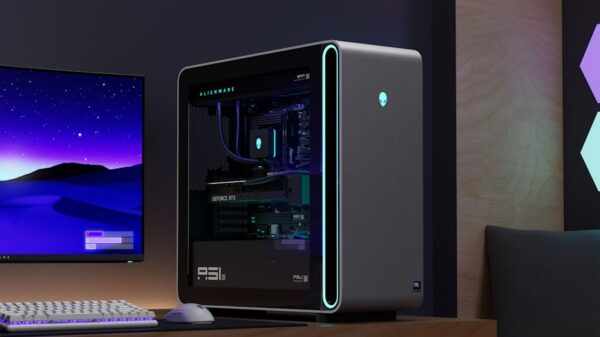
For those interested in playing Minecraft on PC, hardware requirements can vary based on gaming preferences. While a basic setup with a mid-range CPU, 8 GB of RAM, and integrated graphics can handle the game at regular settings, players aiming for a more enhanced experience with high-resolution textures or mods will require a stronger build. A newer CPU, a dedicated GPU, and at least 16 GB of RAM are recommended for smoother gameplay and extensive modding capabilities. SSD storage is advisable to reduce load times and enhance performance.
Whether building a custom PC or purchasing a pre-built system, focusing on RAM and CPU is paramount. Minecraft’s performance relies more on these components than on the graphics card, particularly for vanilla gameplay. However, a capable GPU becomes essential for those wanting to experience the game with advanced shaders and visual enhancements.
Lastly, new players can benefit from a few practical tips that enhance their initial experiences. Carrying a bed for quick respawns, placing torches to ward off hostile mobs, using shields for protection, and avoiding the infamous “digging straight down” can significantly improve survival odds. Mastering basic redstone mechanics can also streamline gameplay, making resource management more efficient.
Minecraft has transcended its original purpose as a mere game, evolving into a platform for learning, creativity, and community interaction. With its blend of simplicity and complexity, players can tailor their experiences based on individual preferences. As the game continues to expand, both new and seasoned players remain captivated, reinforcing Minecraft’s place in the gaming landscape.