








By the end of 2025, Fortnite has shifted from being merely a battle royale to functioning as a comprehensive gaming platform. Epic Games has dedicated years to this transformation, often experimenting with new concepts to gauge player interest. While this approach has yielded inconsistent results, it has also resulted in significant advancements compared to earlier iterations.
In late 2023, Epic introduced Fortnite Festival, Rocket Racing, and Lego Fortnite simultaneously, a decision that initially seemed rushed. Each mode launched without key features, lacking the strength to drive Fortnite’s long-term expansion independently. Fast forward two years, and the landscape is clearer—not necessarily because the initial modes were refined, but because Epic continued to layer new ideas on top of them, allowing player behavior to dictate what remained relevant.
Creative Finally Delivered a Long-Term Success
A milestone for Fortnite Creative emerged in 2025 with the debut of Steal the Brainrot, a licensed mode inspired by a popular Roblox experience. Unlike prior Creative modes that saw brief surges in popularity before fading, Steal the Brainrot maintained a robust player base, rivaling Fortnite’s official battle royale playlists.
In response to its success, Epic announced plans to allow creators utilizing the Unreal Editor for Fortnite to incorporate V-Bucks transactions directly into their creations. This indicates a move towards a more creator-centric economy, akin to systems seen in Roblox, even if Epic refrains from directly labeling it as such.
However, this success has unveiled challenges in discoverability. Epic’s aggressive promotion of Steal the Brainrot has frustrated players who prefer traditional battle royale gameplay, as there exists no effective way to filter out modes they find undesirable from the Discover tab. Consequently, Creative’s triumph has underscored the cluttered nature of Fortnite’s navigation.
Battle Royale Split Without Collapsing
Another unexpected development in 2025 was the successful coexistence of various battle royale variants. Fortnite OG became a permanent fixture, revisiting Chapter 1 with its own seasonal battle pass. Simultaneously, Blitz Royale introduced a faster, smaller-scale option targeting mobile players, while Delulu offered proximity voice chat and social mechanics during its limited weekend availability.
Despite initial concerns that these modes could excessively fracture the player base, matchmaking across all variants has remained healthy. Epic’s strategy of rotating availability and frequently adjusting mechanics has prevented stagnation. Although these modes do draw players away from each other, the overall population has proven sufficient to support them.
Throughout 2025, Epic expanded its use of celebrity collaborations beyond the Fortnite Festival, making them a consistent revenue stream. Although the Festival itself did not evolve into a leading rhythm game, the associated cosmetics gained immense popularity. Skins based on artists such as Deadmau5, Daft Punk, Doja Cat, and Kim Kardashian frequently appeared in the item shop, indicating Epic’s commitment to prioritizing high-profile collaborations as an integral part of Fortnite’s identity.
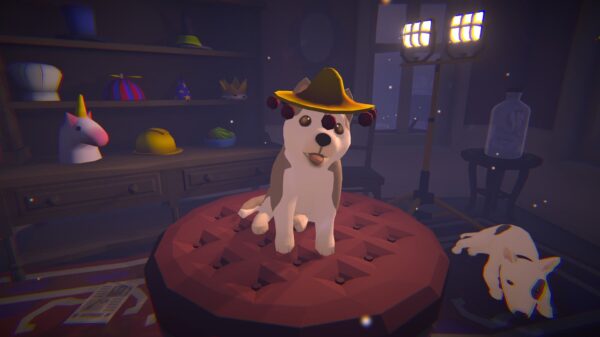
In its continual quest for innovation, Epic experimented with new cosmetic categories, building on past attempts. The introduction of Kicks around Chapter 6 and AI-driven pets known as sidekicks received strong adoption among players. Despite some criticism regarding limited customization options, sidekicks became particularly popular, providing long-time players with fresh reasons to spend V-Bucks beyond character outfits.
Early Signals of a Broader AI Push
In 2025, artificial intelligence started to make a noticeable, albeit limited, impact on Fortnite. The most prominent instance was the Darth Vader NPC featured during a Star Wars mini-season, capable of dynamically responding to player voice inputs using a synthesized version of James Earl Jones‘ voice. While this feature demonstrated technical prowess, it also sparked discussions about the role of AI in licensed content.
Smaller examples of suspected AI-generated material emerged, including artwork and music-related cosmetics linked to the Brainrot trend. While these instances are minor on their own, combined with public comments from Epic CEO Tim Sweeney downplaying the need for AI disclosure, they suggest a potential future trajectory that could gain prominence in upcoming updates.
In summary, Fortnite in 2025 has undeniably expanded and evolved compared to two years prior. The restoration of mobile availability, the emergence of a sustainable Creative hit, and innovative monetization strategies have ensured the game’s relevance. However, the experience feels increasingly fragmented. Epic’s promotional focus frequently favors specific trends, and its initial steps into AI-generated content remain controversial, suggesting that while Fortnite is thriving, it also finds itself in an ongoing state of transition.