







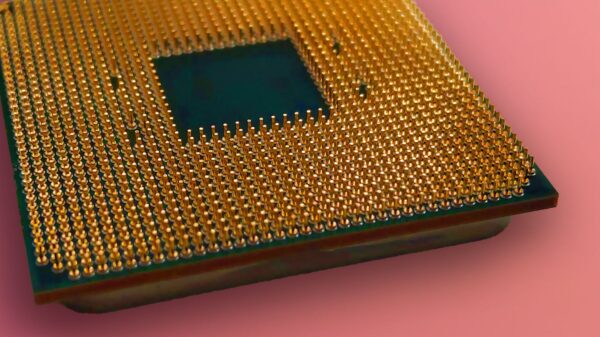











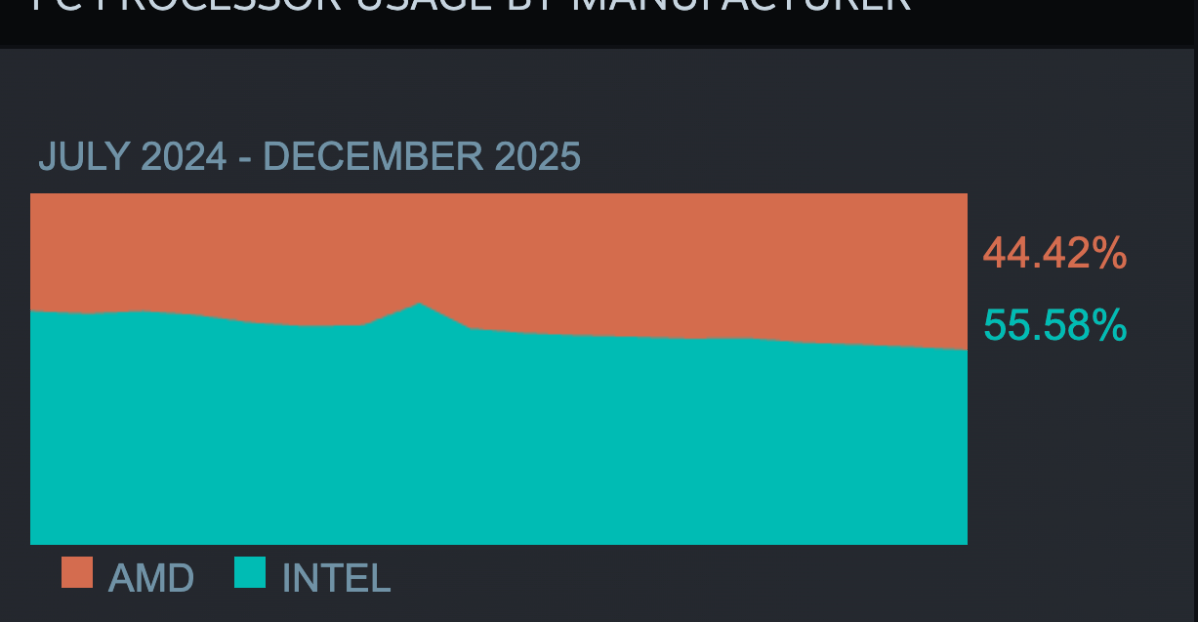
AMD is making significant strides in the ongoing competition with Intel, as evidenced by the latest findings from Steam’s hardware survey released on January 2, 2026. Over the past year, AMD has increased its share of Windows users on the platform, rising from 38.7 percent to an impressive 47.2 percent.
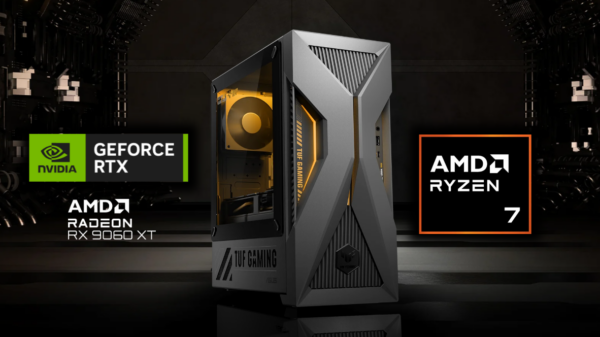
This upward trajectory for AMD comes as the company continues to deliver competitive products that appeal to gamers and PC enthusiasts alike. The increase in market share reflects a sustained effort to provide high-performance CPUs and GPUs, which have gained traction among users looking for alternatives to Intel’s offerings. With a notable portion of the gaming community gravitating towards AMD’s Ryzen and Radeon product lines, Intel is feeling the heat in its long-held dominance.
The latest survey results underline not just a shift in consumer preference, but also highlight the broader implications for the gaming and PC industry. AMD’s gains could lead to increased competition, potentially driving down prices and leading to further innovations from both companies. As consumers become more discerning about performance and value, the rivalry between AMD and Intel is likely to intensify.
For Intel, the challenge lies in responding to AMD’s advancements. Historically, Intel has maintained a strong foothold in the market with its Core series processors. However, AMD’s recent offerings, particularly the Ryzen series, have proven to be formidable contenders, often matching or exceeding Intel’s performance benchmarks in various gaming scenarios.
This data from Steam serves as a barometer for the health of both companies as they navigate a rapidly evolving landscape. As technology continues to advance, the ability to stay ahead in terms of performance and pricing will be crucial for retaining and attracting users.
Looking ahead, the competition is expected to spur further innovations, with both companies likely to unveil new products that could significantly alter the current market dynamics. The anticipation for upcoming releases, particularly with the next generation of processors and graphics cards, will keep gamers and tech enthusiasts on edge as they await further updates from both AMD and Intel.
In summary, AMD’s burgeoning market share signals a pivotal moment in the ongoing rivalry with Intel. As both companies strive to meet the demands of the gaming community, the future of PC hardware appears poised for exciting developments that could reshape the gaming experience for users around the world.