






















AMD is exploring the possibility of reintroducing older products in response to the ongoing RAM crisis that has significantly impacted PC builders. During a recent roundtable discussion at CES 2026, David McAfee, chief of AMD’s Ryzen division, addressed concerns regarding the difficulties faced by users in upgrading their systems without a complete overhaul. He stated that AMD is “certainly looking at everything that [it] can do to bring more supply and kind of reintroduce products back into the ecosystem,” aiming to meet the demands of gamers seeking upgrades for their AM4 platform.
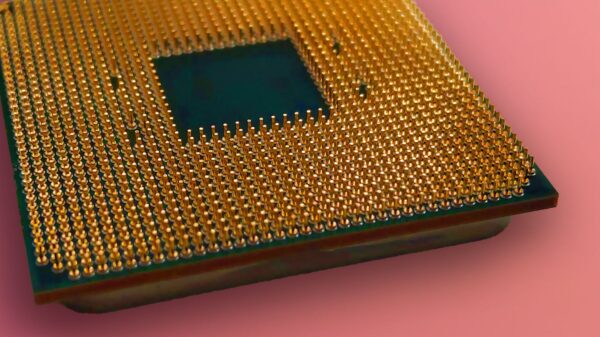
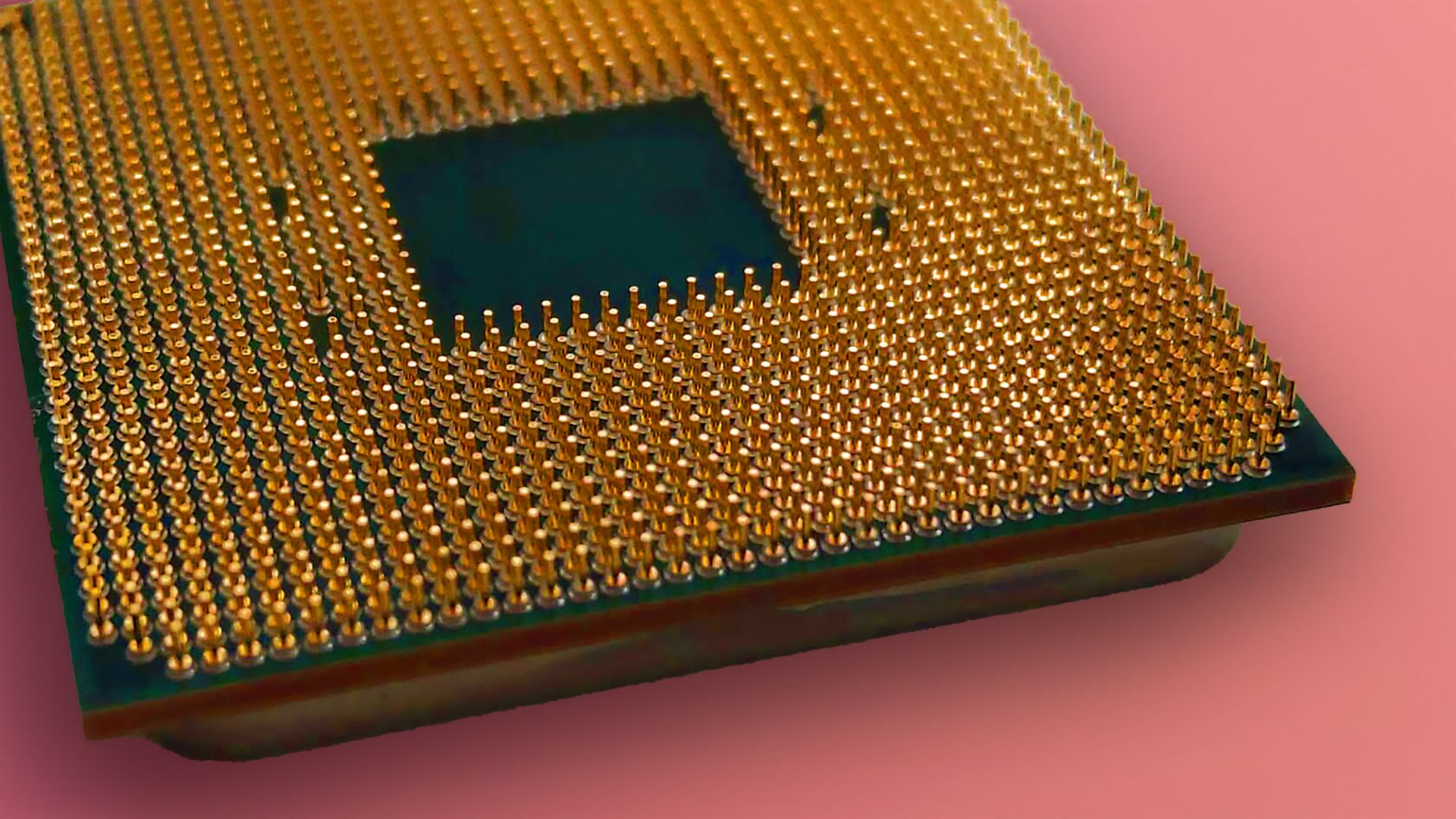
The AM4 socket, which supports processors like the Ryzen 5000 series, is compatible with DDR4 memory, a more affordable option compared to DDR5 used in the newer AM5 platform and Ryzen 7000/9000 series chips. The steep rise in DDR5 RAM prices, which soared from under $100 in August 2025 to as high as $440, has left many budget-conscious gamers seeking alternatives. In contrast, 32 GB of DDR4 RAM is currently priced around $179, making it a more accessible choice for many users, despite not delivering the same high-level performance as DDR5.
While AMD has previously phased out certain AM4 processors, it has continued to sell older models, including several X3D variants, up until 2024. Recently, the company discontinued the well-regarded Ryzen 7 5700X3D, suggesting a potential shift in strategy as it looks to reintroduce older CPUs to the market. McAfee’s comments indicate that AMD is actively working to ensure that budget PC gaming remains viable in light of escalating costs and declining motherboard sales, which reportedly dropped by 50% in late 2025 compared to the previous year.
The demand for CPU-only purchases has risen, as users opt to upgrade existing systems rather than invest in entirely new platforms. This trend underscores the challenges posed by the RAM crisis, as many potential buyers are deterred by the high costs of new components. McAfee’s remarks suggest that AMD is keen to encourage consumer confidence and rejuvenate sales by facilitating upgrades within the existing ecosystem.
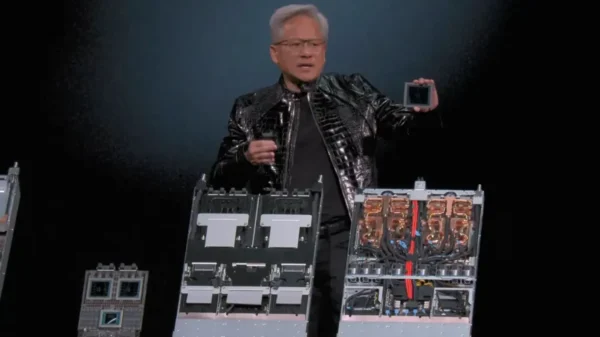
In a broader context, AMD’s approach is not unique to the company. Rumors indicate that Nvidia may also consider reintroducing older products, such as the RTX 3060, to appeal to the current market conditions. This trend across major hardware manufacturers highlights the importance of maintaining accessibility for gamers during a time when supply chain issues and rising costs are creating barriers to entry.
As the tech industry continues to evolve, AMD’s willingness to rethink its product strategy could provide a vital lifeline for gamers facing unprecedented challenges in the PC hardware market. Whether this approach will effectively stabilize the situation and reinvigorate interest in budget builds remains to be seen, but the implications for both consumers and manufacturers could be significant in shaping the future landscape of PC gaming.