



In a significant development for fans of both tabletop gaming and cinematic franchises, Games Workshop has entered into a licensing agreement with Middle-earth Enterprises, allowing for the integration of iconic characters and settings from The Lord of the Rings and The Hobbit into its expansive universe of games. This collaboration, announced earlier this week, aims to enrich the lore and gameplay experiences within the Warhammer franchise.
The partnership permits Games Workshop to utilize elements from the beloved works of J.R.R. Tolkien, including famous characters, locations, and items from The Lord of the Rings trilogy and The Hobbit. This move comes at a time when both franchises are experiencing a resurgence in popularity, driven by new adaptations and ongoing interest in fantasy-themed entertainment.
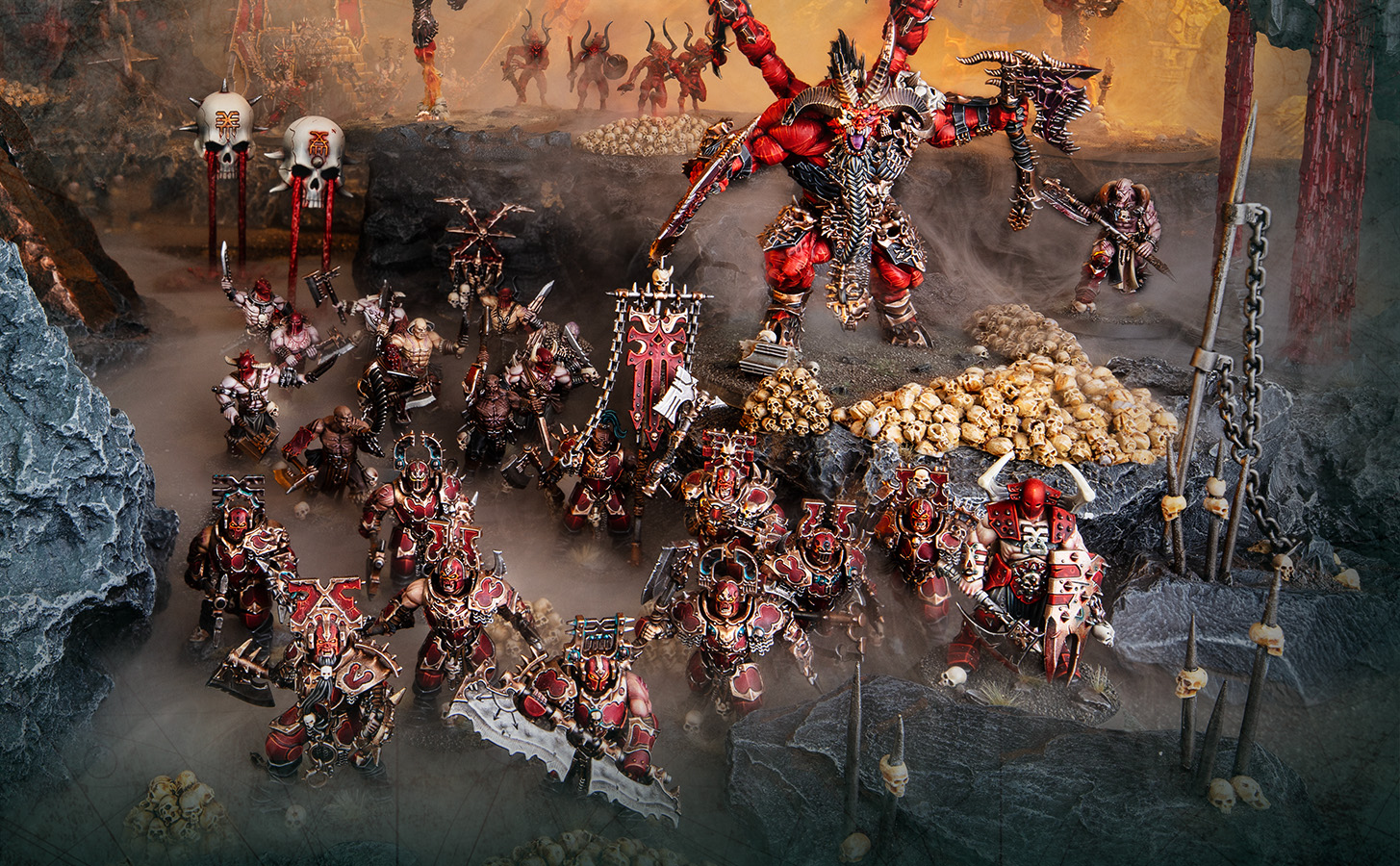
Games Workshop, known for its high-quality miniatures and immersive gameplay, plans to introduce new products that will allow players to engage with Middle-earth in ways previously unavailable. The partnership is expected to yield new miniatures, expansions, and perhaps even entirely new game systems, providing fans with a unique intersection of two beloved universes. Specific details about product launches or release dates have yet to be disclosed, but the implications for both franchises appear substantial.
The collaboration aligns with Games Workshop’s strategy of continually expanding its offerings. The company has seen impressive growth over the last few years, with its flagship title, Warhammer 40,000, drawing in players from around the globe. By incorporating elements from Tolkien’s universe, Games Workshop aims to attract a broader audience, appealing to both the existing fan base and new players who are drawn to the rich storytelling of Middle-earth.
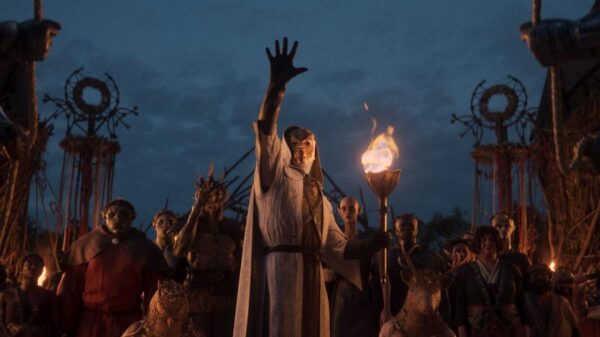
This merger of fantasy realms raises intriguing possibilities for gameplay mechanics and narrative development. Players could see classic characters such as Frodo Baggins, Gandalf, and Legolas interacting within the Warhammer framework. The potential for crossovers and unique campaigns is vast, allowing for innovative storytelling that could resonate with fans of both franchises.
Moreover, this collaboration could lead to a renewed interest in the tabletop gaming scene, as players look to experience the thrill of battles set in Middle-earth while utilizing the robust systems that Games Workshop has developed. The fusion of these popular franchises may also enhance the competitive nature of Warhammer events, introducing a new layer of strategy and excitement.
Furthermore, the creative teams at both organizations are likely to ensure that the merger remains faithful to the source material while providing fresh and engaging content. By leveraging the rich lore established in Tolkien’s work, Games Workshop can craft narratives that are both familiar and innovative, keeping the core essence of Middle-earth intact.
This partnership marks a noteworthy moment in the evolution of gaming and storytelling, as it reflects the growing trend of collaboration within the entertainment industry. As cross-media initiatives become more common, this collaboration serves as a testament to the power of iconic franchises to come together and create something greater than the sum of their parts.
Looking ahead, the gaming community eagerly awaits further announcements regarding product releases and gameplay features. As Games Workshop continues to expand its reach within the fantasy genre, the integration of Middle-earth could set a new benchmark for future collaborations in the gaming industry, fostering a more interconnected landscape for fans of both tabletop gaming and cinematic storytelling.