



























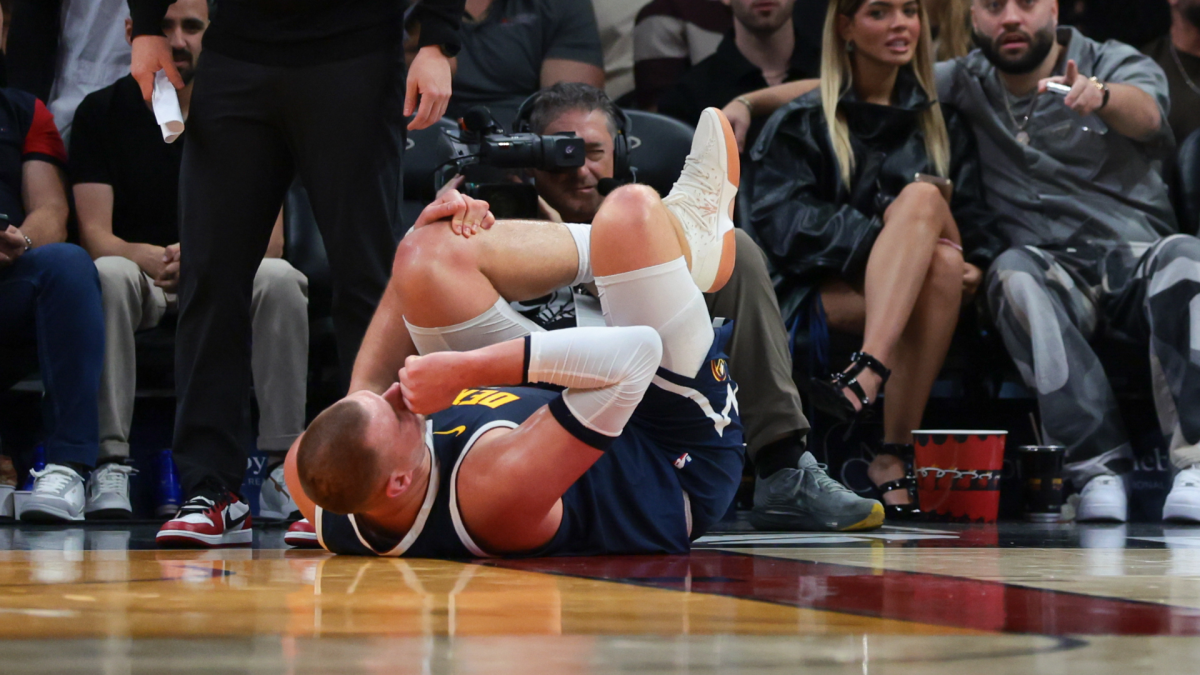
In a turn of events that has drawn significant attention, the recent injury to Nikola Jokić, a hyperextended knee, has likely sidelined him from the MVP race this season. This situation is particularly noteworthy given that Shai Gilgeous-Alexander was already in close contention. Historically, if two players are nearly equal in performance but one is sidelined for an extended period, it is reasonable to expect that the other would take the lead in awards considerations. However, this season, the NBA’s newly instituted 65-game minimum eligibility for major end-of-season awards has intensified scrutiny over the implications of player injuries on award outcomes.
The rule, implemented in 2023, mandated that players must appear in at least 65 games to be eligible for coveted honors like MVP and All-NBA selections. While Jokić’s injury would have likely eliminated him from contention regardless, the projected timeline for his return puts him just shy of this threshold, leading to further discussion about the necessity and effectiveness of this rule. Historical data indicates that players who miss significant portions of a season rarely win awards, with only five MVPs in history winning while playing fewer than 65 games, primarily during shortened seasons.
Among these historical exceptions, the most notable is Bill Walton, who won the MVP award in 1978 after appearing in only 58 games. His remarkable performance helped lead the Portland Trail Blazers to a 50-10 record at the time of his injury. In contrast, most subsequent MVP winners have managed to meet or exceed the 65-game requirement. The rule does not seem to heavily impact awards outside of the MVP race, with few Defensive Player of the Year or Rookie of the Year winners having played fewer than 65 games. However, the All-NBA selection process is where the 65-game rule might have its most pronounced effects.
Between the 2011-12 season and the 2022-23 season—before the 65-game rule was implemented—players who participated in fewer than 65 games secured 18 out of 135 All-NBA slots, indicating that approximately 13% of selections were awarded to those who didn’t meet the new criteria. The spike in these selections just before the rule’s implementation coincides with the rise of “load management,” a practice that gained notoriety in 2012 when Gregg Popovich famously sent key players home to rest prior to a nationally televised game against the Miami Heat.
The NBA’s motivation for the 65-game rule appears to be rooted not only in the desire to preserve the integrity of its awards but also in the critical negotiations for national media rights deals. As the league sought new partnerships, assuring potential broadcasters that star players would be available for the matches they aired became paramount. This strategic move may have aimed to counteract the narrative surrounding load management, which some stakeholders believe diminishes the quality of the product presented to fans and sponsors alike.
Interestingly, while the rule aims to prevent players from taking time off for rest, it may inadvertently incentivize younger players, whose contracts hinge on All-NBA eligibility for substantial financial gains. As players like Tyrese Haliburton demonstrate, the pressure to meet this requirement can lead to rushed returns from injuries. Haliburton himself acknowledged that the pursuit of All-NBA status influenced his recovery timeline after suffering a hamstring injury, which ultimately affected his performance later in the season.
The 65-game rule has the potential to not only skew the All-NBA selections but could also lead to significant financial consequences for teams who may end up paying supermax contracts to players who do not meet the performance expectations traditionally associated with those contracts. Furthermore, as injuries mount across the league, including for stars like Jokić and Giannis Antetokounmpo, the pool of eligible candidates for All-NBA honors may shrink, raising questions about the overall quality and representation of the league’s elite talent.
As the season progresses, the implications of the 65-game rule will continue to unfold. With ongoing injuries to key players and the evolving landscape of player availability, the NBA may need to reconsider the long-term consequences of its recent decisions. Ultimately, while the rule may have been designed to address specific concerns, its broader financial impact on players and teams underscores the complexities of balancing competitive integrity with economic realities in modern professional sports.