



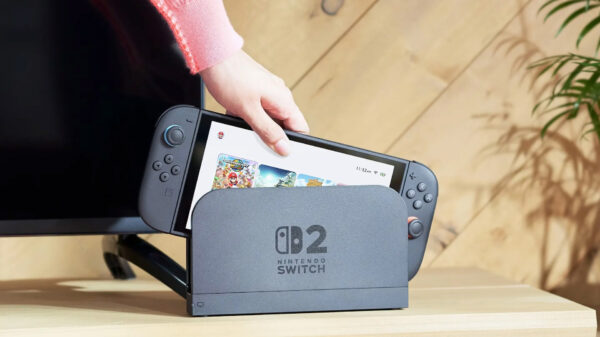






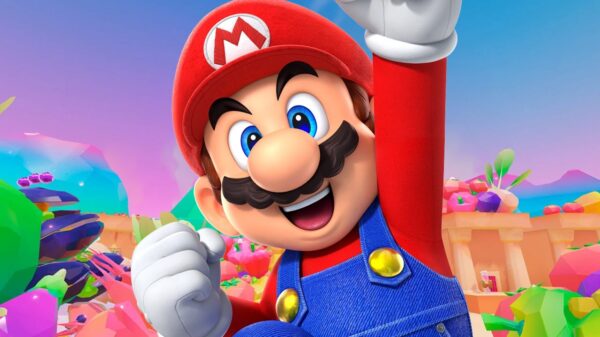



Earlier this year, Nintendo startled the gaming community by announcing a price increase for its first-party titles, raising the cost to $80—a $10 jump from the established $70 price point for current-generation games. This decision sent ripples through the industry, igniting concerns among gamers that other publishers might follow suit, leading to a shift in the pricing landscape.
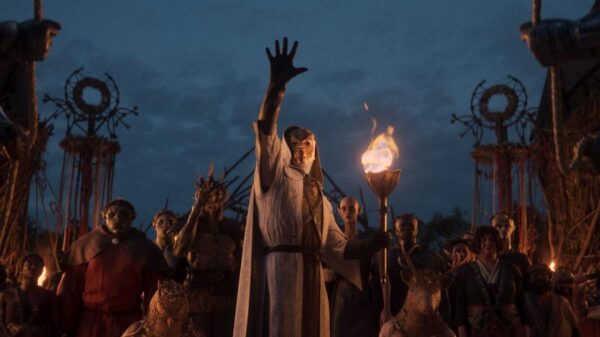
In response to Nintendo’s bold move, Microsoft aimed to introduce a similar pricing strategy with the upcoming release of Obsidian’s The Outer Worlds 2. However, following significant backlash from fans, Microsoft quickly retracted its original pricing plans, opting instead to offer the game at the standard rate of $70. This has left many questioning whether and when Microsoft might adopt an $80 price point for its future titles.
In a recent interview, Matt Booty, President of Game Content and Studios at Microsoft, addressed the ongoing speculation surrounding a potential price hike for first-party games. While he refrained from confirming or denying any plans, Booty emphasized the importance of listening to fan feedback. He stated, “Our whole focus is on delivering player satisfaction and delivering player value.” This suggests a cautious approach to pricing as Microsoft navigates the evolving gaming market.
Booty elaborated on the company’s commitment to assessing its pricing strategy by saying, “We’ve reacted in the last year and I think for us, the real focus is going to be — I’ll come back to the phrase meeting people where they are.” He pointed out that monetization in modern gaming occurs through various channels, which might mitigate the need for a blanket price increase across all titles. “We’re going to continue to listen to the feedback from fans,” he added, noting the necessity of balancing user demands with business sustainability. “But right now, on the content side, we don’t have any pricing updates.”
The situation raises questions about whether Microsoft is planning to evaluate game prices individually. If they can effectively integrate microtransactions or other forms of monetization, it may allow them to avoid raising the base price for certain games. This ambiguity adds an interesting layer to discussions about the industry’s future pricing strategies.
As anticipation builds around upcoming releases, the next significant title on the Xbox roster is Halo Campaign Evolved, which is confirmed to be multiplatform. While it is unlikely that this remake will command an $80 price tag, the potential exists for Microsoft to implement the higher price on major new releases, such as Gears of War: E-Day. This could set a precedent for how the company positions its flagship games in a changing market.
The broader implications of these pricing decisions are likely to resonate throughout the gaming industry, as other publishers monitor the reactions from fans and the success of such strategies. Pricing models are evolving, and consumer sentiments will undoubtedly play a pivotal role in shaping how companies approach future releases. As the discussion continues, stakeholders across the industry will be keen to see how these developments unfold in the coming months.