

















Larian Studios, the developer behind the acclaimed role-playing game Baldur’s Gate 3, has officially announced that its upcoming project, Divinity, will not incorporate any AI-generated art. This statement, made on Friday, comes amid increasing scrutiny from players and artists regarding the role of generative AI in game development.
In a response to a Reddit Ask Me Anything (AMA) thread, studio head Swen Vincke sought to clarify earlier comments regarding the use of AI in their creative process. “So first off—there is not going to be any GenAI art in Divinity,” Vincke stated. His comments were intended to alleviate confusion sparked by a December interview with Bloomberg, where he discussed Larian’s plans to employ generative AI technology. “I know there’s been a lot of discussion about us using AI tools as part of concept art exploration. We already said this doesn’t mean the actual concept art is generated by AI, but we understand it created confusion,” he elaborated.
Vincke emphasized that to eliminate any ambiguity, the studio has decided against using generative AI tools during the concept art phase. “That way there can be no discussion about the origin of the art,” he asserted, reinforcing Larian’s commitment to traditional artistic processes. Since the introduction of AI tools like ChatGPT and Midjourney in 2022, the gaming industry has grappled with the implications of generative AI, raising concerns among players, developers, and voice actors about its impact on creativity and employment in a sector that is already facing rising costs and high player expectations.
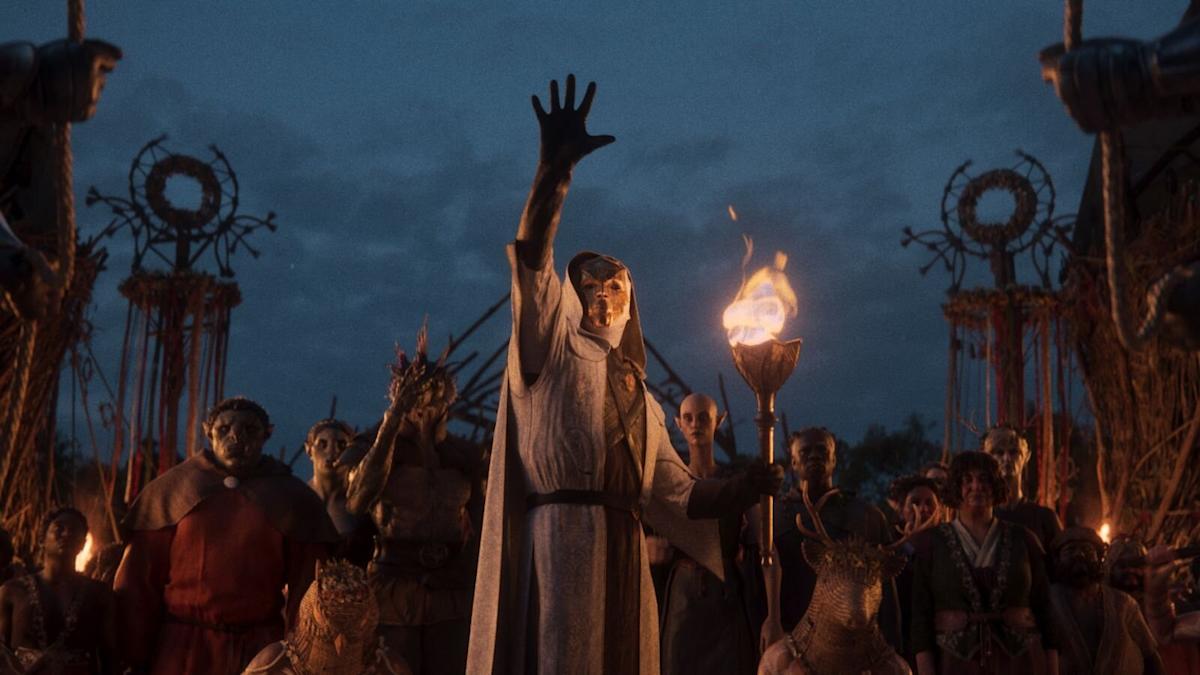
The revelation of Divinity in December marks another step in Larian’s pursuit of expansive role-playing adventures. While Vincke did not provide a release date for the new installment, he indicated that the studio would continue to explore the utility of AI tools in various aspects of game development. “We continuously try to improve the speed with which we can try things out,” he mentioned. “The more iterations we can do, the better in general the gameplay is.” He also noted that any AI-generated content used in games would adhere to strict guidelines regarding data ownership and consent, underscoring the importance of ethical considerations in the application of new technologies.
Vincke clarified, “The important bit to note is that we will not generate ‘creative assets’ that end up in a game without being 100% sure about the origins of the training data and the consent of those who created the data.” This commitment to transparency in the use of AI-generated content could set important precedents in the industry, especially as other major publishers, including Square Enix and Microsoft, have begun to cut jobs in favor of automation.
Addressing the broader context of AI in game development, Larian’s Machine Learning Lead, Gabriel Bosque, articulated the studio’s perspective on the technology. He stated, “This is all new technology, so I totally understand why it’s difficult to see where the positive uses are. We believe machine learning is a powerful tool to accelerate and make game development more efficient and streamlined.” Bosque emphasized that the intent behind adopting AI is to empower creative teams rather than replace them, allowing developers to focus on the more rewarding aspects of their jobs.
The ongoing discussion surrounding the integration of AI tools in gaming highlights a significant tension within the industry: the balance between leveraging technological advancements and preserving the integrity of creativity. As Larian Studios moves forward with Divinity, the choices it makes regarding the use of AI will likely serve as a case study for other developers navigating similar challenges. The future of game design may hinge on how studios like Larian manage the delicate interplay between innovation and artistic expression.