



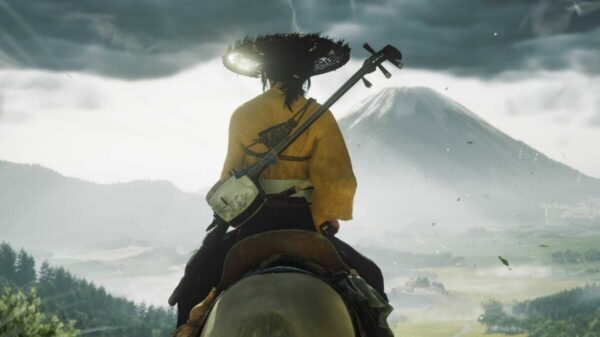












Sony has recently removed a free game from the PlayStation library for users who took advantage of a PSN error, which allowed players on PS4 and PS5 to claim the title without charge. This incident occurred approximately two months ago, when players discovered a glitch that temporarily provided access to the game, normally priced at $40. The title in question is **Shadow Tactics: Blades of the Shogun**, a stealth tactics game developed by **Mimimi Productions** and **Daedalic Entertainment**. The glitch was reported on October 17, allowing users to download the game for a few hours before Sony intervened.
Initially, many believed that the downloads would be revoked within a day or two, as has been the standard practice in similar situations in the past. However, the anticipated revocation did not occur, leaving users to wonder about Sony’s intentions. With a typical playtime of 25 to 30 hours, the window of 24 to 48 hours was insufficient for most players to complete the game. The two-month grace period allowed a significant number of players to experience the title at no cost, raising questions about the company’s strategy regarding glitches and consumer behavior.
Despite the long delay in revoking the downloads, Sony has not publicly commented on the situation, leaving many to speculate on what might have gone wrong. It remains unclear if the company offered any compensation to **Daedalic Entertainment** for the unintentional loss of sales due to the glitch. Sony’s silence on the matter sets this incident apart from similar occurrences that usually see a swift response. Historically, such glitches have been resolved quickly, making the two-month wait a notable deviation from the norm.
For those who managed to claim **Shadow Tactics: Blades of the Shogun** during the glitch, the experience was a significant win, considering the game’s reputation as one of the better stealth titles of the 2010s. Unfortunately for fans, **Mimimi Productions** has since shut down, leaving no possibility for a sequel or follow-up to this critically acclaimed title. However, the game still holds its value in the market, now available at a reduced price of $4, down from its original cost.
The removal of the game from users’ libraries has ignited discussions around the implications of such glitches and the responsibilities of both players and companies in these scenarios. As the gaming community continues to grow, the desire for transparency from industry leaders remains a priority. This incident serves as a reminder of the delicate balance that exists between digital rights management and user engagement in the gaming ecosystem.
Looking ahead, it will be interesting to see how Sony addresses future glitches and whether they will adjust their policies to prevent similar occurrences. The gaming industry is constantly evolving, and with it, the expectations of players regarding their rights and access to content. As discussions continue, the broader conversation around digital ownership, corporate responsibility, and consumer trust remains essential for the future of gaming.