























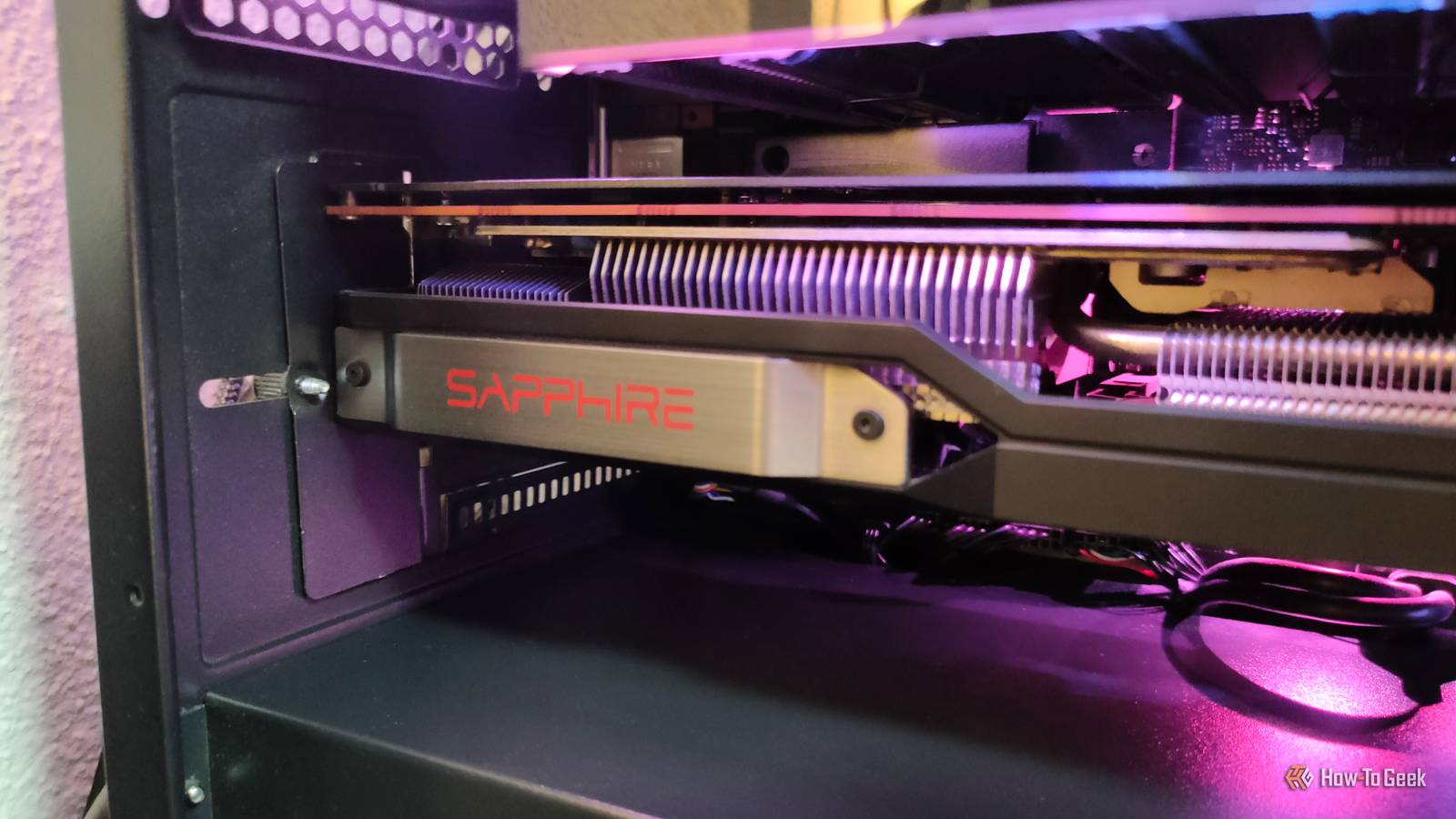
Overclocking graphics processing units (GPUs) has become an accessible method for gamers looking to enhance their gaming performance without the need for additional investments. With modern GPUs featuring built-in safeguards and robust cooling systems, the perceived risks associated with overclocking are significantly diminished. This practice can yield a performance boost in frames per second (FPS) ranging from 5% to 15%, providing a noticeable improvement in gameplay, particularly in competitive settings.
One of the primary misconceptions surrounding overclocking is its complexity. Many gamers might hesitate, believing that it requires extensive technical knowledge or specialized tools. However, overclocking a graphics card has become a user-friendly process. For AMD users, the Adrenalin software offers a straightforward way to adjust clock speeds, while Intel Arc graphics cards offer similar capabilities through their drivers. Even NVIDIA users, who traditionally relied on third-party applications like MSI Afterburner, can benefit from built-in auto-overclock features in their drivers.
The process itself involves adjusting several settings within the performance tab of the respective software. Primary adjustments include increasing the maximum boost frequency of the GPU, modifying the power limit to allow for higher power draw, and fine-tuning fan curves to regulate temperatures. An additional option is undervolting the GPU, which can enhance performance while lowering temperatures. These modifications often come with minimal risk, as modern cards are designed to revert to safe operating conditions in the event of a crash, rather than risk permanent damage.
Practical tests demonstrate the tangible benefits of overclocking. For instance, a benchmark using 3DMark revealed that an overclocked RX 6800 XT achieved a score of 39.88 FPS, marking a 9% improvement over its stock performance of 36.59 FPS. In actual gameplay scenarios, results were similarly promising. In “Marvel Rivals,” the overclocked GPU delivered an average of 87 FPS compared to 81 FPS at stock speeds, alongside improved 1% lows that are crucial for maintaining performance in online competitions. In “Red Dead Redemption 2,” the overclock yielded an 11% increase in average FPS, showcasing the significant benefits that can be realized.
Concerns regarding the longevity of a GPU following an overclock are common. Many gamers fear potential damage or warranty issues. While overclocking may void warranties, the risk of failure is generally low. Individual experiences, such as those from seasoned overclockers, indicate that failures are rare, particularly when proper precautions are taken to manage thermal conditions. Maintaining optimal temperatures is crucial, as high heat levels pose a greater threat to the longevity of a graphics card than overclocking itself. Regular maintenance, including thermal paste and pad swaps, can enhance cooling efficiency, further safeguarding against potential damage.
In summary, overclocking represents a low-risk avenue for gamers to extract additional performance from their systems, especially for those with older graphics cards. As technology advances, modern GPUs offer greater resilience against the risks traditionally associated with overclocking. For players aiming to maximize their gaming experience, particularly in competitive environments, the practice of overclocking can lead to substantial performance gains, making it a worthwhile consideration.