


















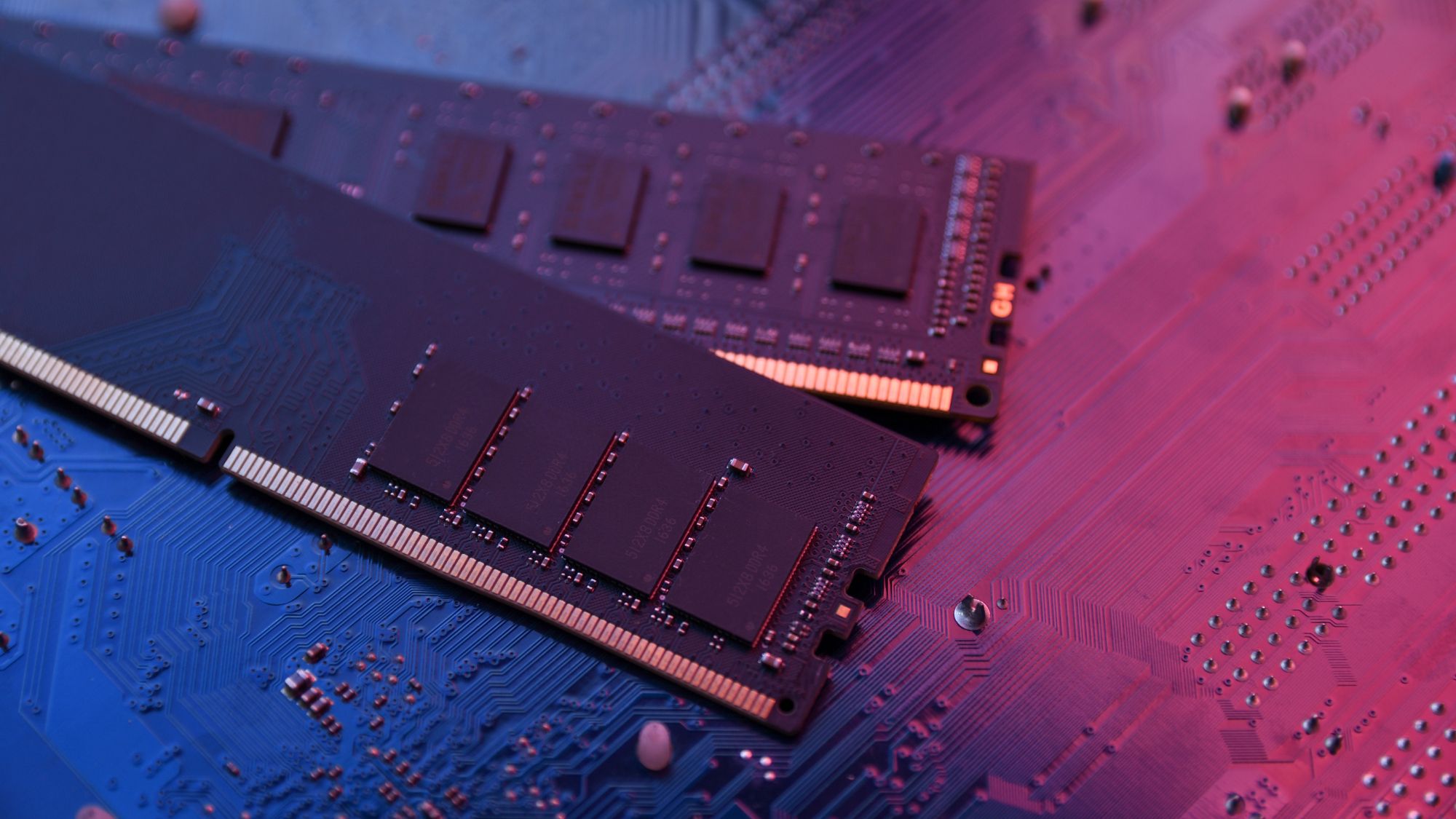
The PC gaming landscape faces a troubling forecast as the RAM crisis is set to escalate, potentially beginning in 2026. According to a recent report from TrendForce, the market may see a significant shift toward more affordable 8GB RAM configurations for laptops, making higher-end 16GB or greater options increasingly unaffordable for consumers.
This looming crisis stems from ongoing price increases for DRAM, prompting manufacturers to focus on cheaper specifications to maintain competitive pricing. Such a strategy could explain Valve’s decision to implement 8GB of RAM in its upcoming Steam Machine, which aims to provide consumers with a cost-effective entry into gaming without the burden of exorbitant prices.
However, this shift to an 8GB standard raises significant concerns regarding gaming performance. Modern games, many of which require substantial VRAM, could struggle to run efficiently on systems limited to 8GB of RAM. The fallout may not only hinder overall performance but also push users to experience bottlenecks at a time when the gaming community is increasingly demanding higher specifications to meet the requirements of new titles.
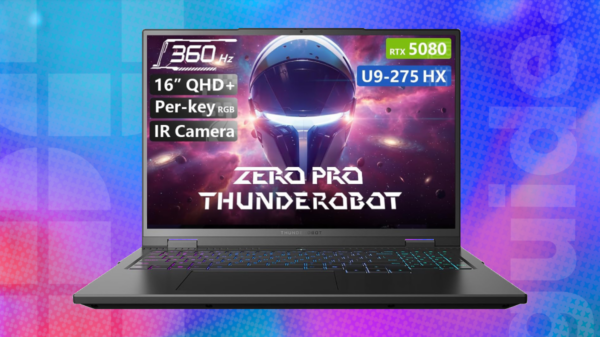
The ramifications of a move towards 8GB configurations are particularly stark for gaming laptops. Currently, 8GB of VRAM is considered inadequate by many gamers, especially with several triple-A titles specifying a minimum of 16GB and even recommending 32GB for optimal settings. As gaming graphics demand higher resources, the specter of RAM bottlenecks could shift the traditional narrative where GPU or CPU limitations were more prevalent.
As the market navigates these turbulent waters, it becomes increasingly crucial for gamers to hold onto their existing RAM kits. Those with extra RAM, whether it is 8GB or more, may find themselves in a strong position as the crisis unfolds. With the rise of AI technologies further intensifying demand for memory components, it is unlikely that prices will stabilize anytime soon.
Looking ahead, the potential for rising prices is not limited to RAM alone; SSDs and GPUs may also see similar trends, having already experienced price hikes over the past year. In this shifting landscape, players who delay acquiring necessary components may face escalating costs or limited availability in the future, emphasizing the importance of timely purchasing decisions.
As the gaming industry gears up for launches of new titles that demand higher system requirements, the implications of the RAM crisis extend beyond mere technical specifications. It may redefine the entry points for gamers and shape the future landscape of PC gaming. The stakes have never been higher as players are urged to stay vigilant in a rapidly evolving market.