


























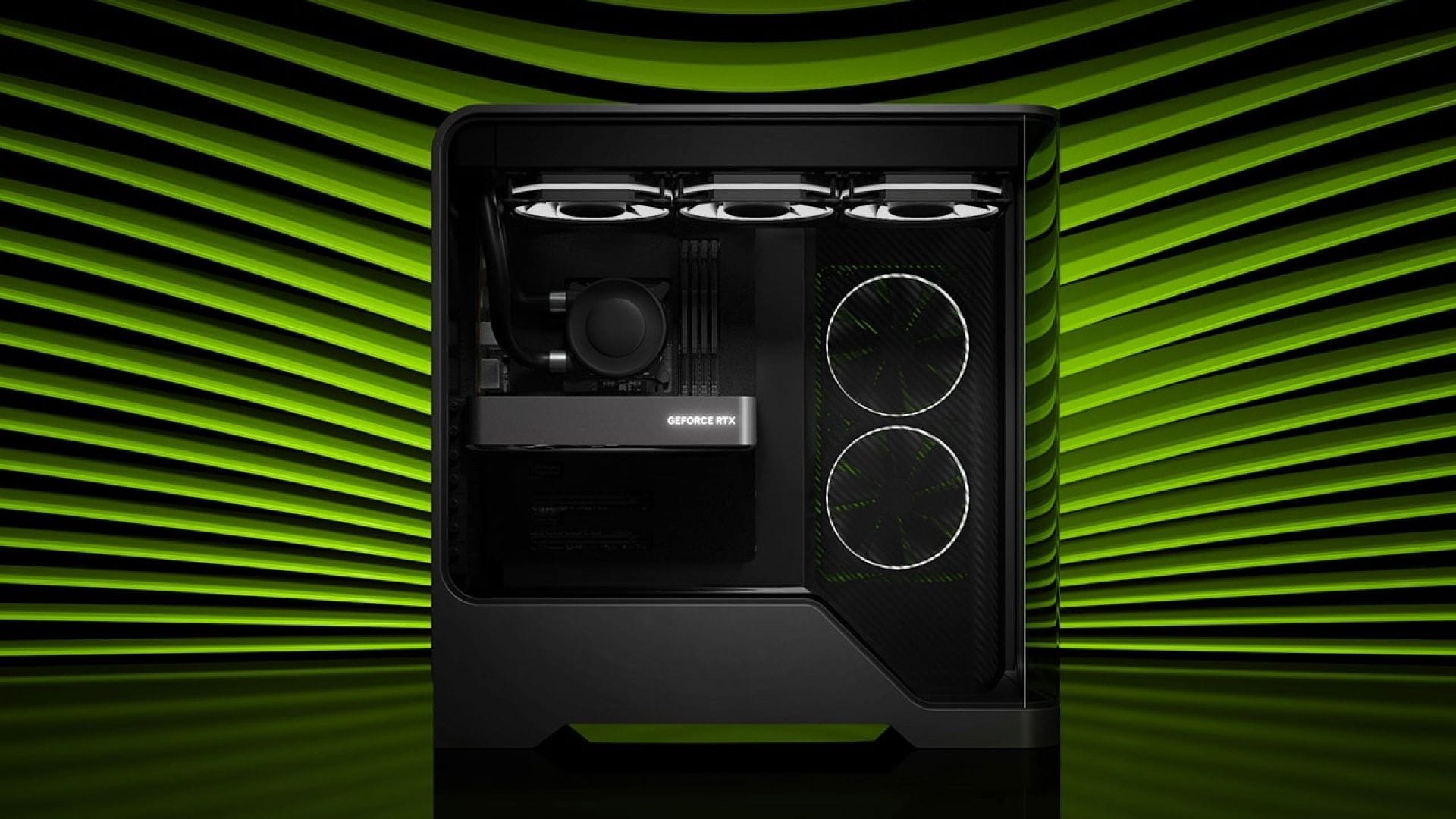
NVIDIA has reportedly made significant adjustments to its graphics card supply strategy, according to a recent report from Board Channels. The company is scaling back production of the RTX 5060 Ti 16GB and RTX 5070 Ti 16GB models, while increasing shipments of the RTX 5060 and RTX 5060 Ti 8GB versions. This shift comes as NVIDIA grapples with ongoing DRAM shortages and rising prices that have been affecting the PC and mobile industries.
This report highlights NVIDIA’s vulnerability to the challenges posed by high-priced memory chips. The adjustments made to the RTX series product line reflect a strategic response to market conditions, aimed at ensuring a continuous supply of GPUs for gamers. By focusing on the 8GB models, NVIDIA stands to conserve production resources, specifically GDDR7 VRAM chips, which could then be allocated to manufacture more GPUs or support other models in the pipeline.
According to sources, NVIDIA’s decision is primarily driven by the escalating costs associated with memory components. In a statement translated via Google, the report noted: “Due to the impact of high-priced memory chips in later stages, NVIDIA made appropriate adjustments to the RTX series product line structure in 2026.” The statement further explained that this strategic pivot aims at making the RTX 5060 and RTX 5060 Ti 8GB series the primary focus of future shipments, effectively addressing the supply chain’s logistical hurdles.
The move aligns with earlier reports indicating that NVIDIA had recommenced production of the RTX 3060 to stabilize GPU availability. The RTX 3060, previously a popular choice among gamers for its balance of performance and cost, is being brought back into production as part of NVIDIA’s push to meet ongoing demand amid supply chain challenges.
In addition to these changes, the upcoming RTX 50 Super series is rumored to be facing delays, further emphasizing the impact of the current DRAM situation on NVIDIA’s product rollout. Such delays could have implications for gamers looking for the latest technology, as the RTX 50 Super series was expected to enhance performance benchmarks in the competitive gaming landscape.
This shift in supply strategy signals NVIDIA’s commitment to maintaining a steady flow of graphics cards to consumers, even amid challenging market conditions. The company’s focus on 8GB models suggests a pragmatic approach to resource allocation, ensuring that gamers can still access reliable options despite the turbulent supply chain. As the situation evolves, NVIDIA’s responsiveness to market dynamics will be crucial in determining the future availability of its graphics cards and the overall health of the PC gaming ecosystem.