










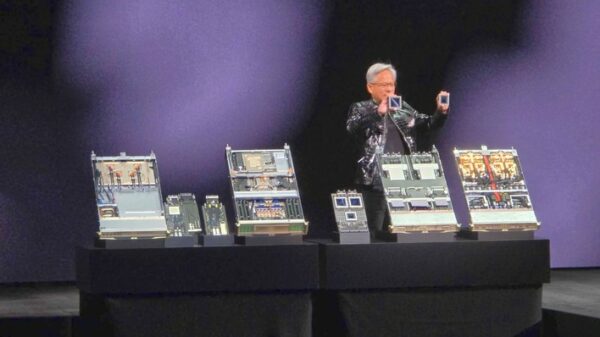















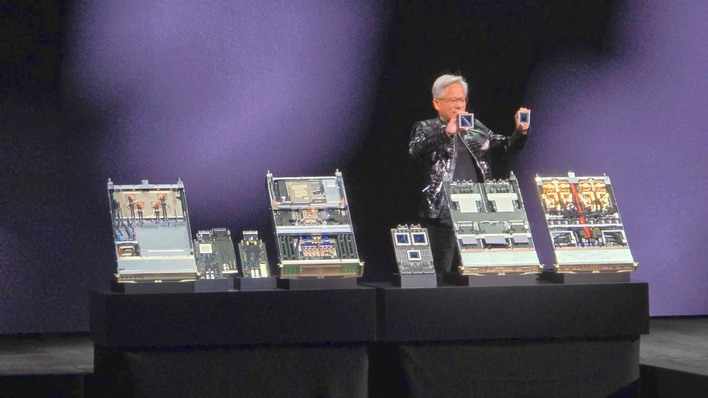
In a recent revelation, NVIDIA’s anticipated Rubin CPX processor, which was initially suggested to be a potential candidate for the next generation of GeForce graphics cards, has been identified as a specialized revision rather than a flagship gaming chip. This assessment comes from prominent leaker kopite7kimi, following NVIDIA’s announcement of the processor at the AI Technology Conference earlier this year.
Kopite7kimi, widely regarded for their accurate predictions, responded to a tweet from fellow enthusiast High Yield, clarifying that the Rubin CPX is not intended for gaming applications. Instead, he noted, “It’s NOT a giant for gaming. It is GR212.” This statement implies that the Rubin CPX is a second-generation Rubin chip, specifically designed for compute tasks rather than consumer graphics. The nomenclature used by NVIDIA often indicates that the first digit refers to major architectural changes, while the second digit signifies specialized variants.
While the last chip to bear a “1” in the second position was the GK110, utilized in the original GeForce GTX TITAN, the notion of a specialized chip such as the Rubin CPX aligns with NVIDIA’s historical focus on compute capabilities. Indeed, the GR212 is characterized by its substantial compute throughput, suggesting it is tailored for high-performance tasks rather than the gaming market.
In response to inquiries from other industry insiders, including the well-known leaker 포시포시 (@harukaze5719), kopite7kimi indicated that the GR20x family will form the backbone of NVIDIA’s upcoming GeForce product line. This aligns with NVIDIA’s approach as a “one-architecture company,” which traditionally launches a unified architecture for both gaming and professional products simultaneously. Consequently, it can be expected that the forthcoming RTX 60 series will be Rubin-based.
As for the timeline, kopite7kimi has projected that the release window for these new GPUs is targeted for the second half of 2027. If accurate, this suggests that consumers may need to wait at least 18 months before the arrival of new NVIDIA graphics cards, a period that could further stretch depending on market conditions, including the ongoing DRAM shortage that has affected hardware availability.
Given the current state of the market, those considering a GPU upgrade may find themselves in a precarious situation. With prices already on the rise, and the memory shortage projected to persist, potential buyers might be advised to act sooner rather than later. As the wait for the next generation of graphics cards stretches on, it remains crucial for gamers and enthusiasts to assess their upgrade options carefully.