



















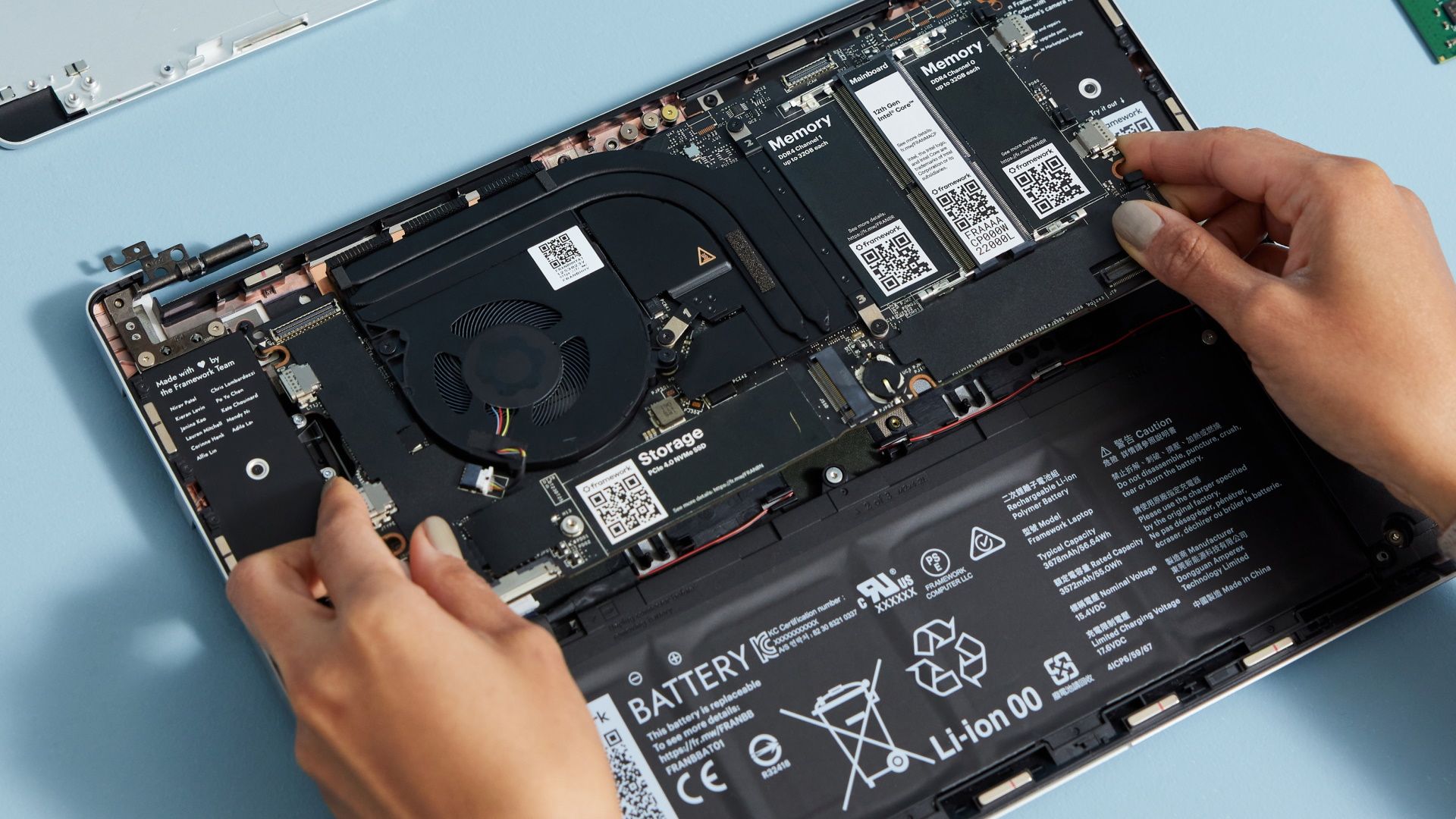
Framework, a modular laptop brand, has announced a staggering 50% increase in the price of its DDR5 memory modules. This decision comes in response to the soaring costs imposed by memory distributors and suppliers, contributing to an increasingly volatile pricing landscape for computer components. Notably, Framework indicated that even with this price hike, their new pricing remains below what is being offered in the open market.
In a recent statement, Framework took a critical stance against larger competitors like Dell and Apple, accusing them of ‘gouging customers’ with their own memory price increases. The company had previously acknowledged that it would need to adjust its pricing due to market conditions, but it has also committed to ensuring that existing pre-orders will not be subject to these new rates. Furthermore, their pre-built laptops and Framework Desktop systems that come with memory pre-installed will not see price increases, at least for the time being.
The company characterized the current memory pricing situation as “extremely volatile,” acknowledging the likelihood of further price updates affecting both DDR5 modules and systems that incorporate memory types such as LPDDR5X and GDDR. As a potential mitigation strategy for consumers concerned about rising prices, Framework reiterated its option for DIY Edition laptops, which come without any included memory or storage, allowing users to utilize existing components or seek more affordable options.
A significant driver behind these price surges appears to be the rampant growth of artificial intelligence (AI) applications, which has led to a surge in memory demand. Framework illustrated this phenomenon by highlighting the massive memory requirements of AI data centers. For instance, a single rack of NVIDIA’s GB300 solution requires an astonishing 20 TB of HBM3E and 17 TB of LPDDR5X—quantities sufficient for thousands of laptops in terms of memory. AI-focused data centers are increasingly populated with numerous such racks, further intensifying the strain on memory supplies.
While Framework is the latest company to publicly revise its pricing, it is not alone. Other tech giants, including Lenovo, HP, and Dell, have also issued warnings about impending price hikes. This trend raises significant concerns for consumers and professionals alike, as experts predict that purchasing a new PC will become increasingly expensive through 2026 and potentially beyond.
As the demand for high-performance computing continues to rise, the ramifications of these price increases extend far beyond individual purchases. The ongoing challenges in the semiconductor supply chain, coupled with the burgeoning AI sector, raise broader questions about the sustainability of component availability and pricing in the near future. For consumers, navigating this turbulent market will require careful consideration and possibly a shift towards more flexible purchasing strategies, such as opting for modular systems or DIY builds.