


























The resurgence of older gaming PCs is becoming a noteworthy trend amid rising hardware costs in the gaming industry. With inflation affecting prices for the latest processors and graphics cards, many gamers are turning their attention to what was once considered outdated technology. Notably, platforms from the DDR3 era are regaining popularity among budget-conscious players looking for cost-effective gaming solutions.
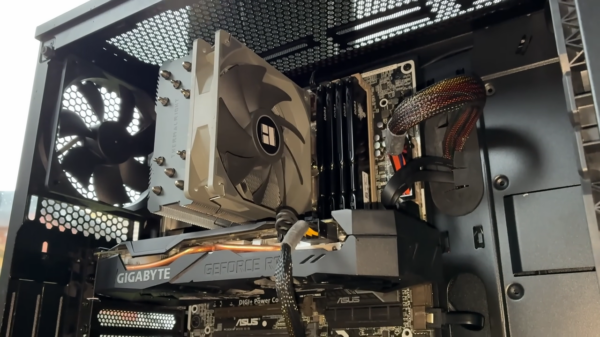
As the price of DDR5 memory continues to climb, some players are finding that older systems with DDR3 memory can still provide a satisfactory gaming experience. A recent demonstration by a YouTuber highlighted a build featuring an Intel Core i7 4790K paired with an Nvidia RTX 2060 Super and just $40 worth of 32 GB DDR3 RAM. Remarkably, this configuration managed to run modern triple-A titles at approximately 60 frames per second, prompting gamers to reconsider whether cutting-edge hardware is essential for enjoying gaming in 2026.
DDR5 memory is currently the standard for new Intel and AMD platforms, offering improved bandwidth and energy efficiency compared to its predecessors. However, the cost of high-quality DDR5 kits can significantly impact a budget build. In contrast, DDR3 is now readily available and inexpensive on the secondhand market, making it an attractive alternative. As more users upgrade their systems, the availability of affordable DDR3 allows for potential savings that are hard to overlook.
This price disparity is a key factor driving some gamers to embrace older hardware. While they may sacrifice some performance and modern features, the substantial savings can make older motherboards, CPUs, and RAM appealing options. The YouTuber’s example underscores a critical consideration: older, yet capable hardware can still meet the demands of contemporary gaming.
The Intel Core i7 4790K, once a flagship processor with four cores and eight threads, may not compete with today’s multi-core CPUs, but many current games do not fully utilize more than four threads. Therefore, a high-performing quad-core like the 4790K remains viable for many gamers. When combined with the performance of the RTX 2060 Super, this setup can yield around 60 frames per second in modern titles, suitable for gamers who prioritize smooth gameplay at 1080p or even 1440p with adjusted settings.
As gamers weigh the benefits of using a DDR3 system, they must consider their specific needs. For those with limited budgets eager to maximize performance for their dollar, investing in an older platform could be a wise choice. The availability of affordable bundles combining CPUs, motherboards, and DDR3 memory makes this path increasingly accessible. Additionally, gamers who primarily play at 1080p and are satisfied with a stable 60 frames per second may find this option particularly attractive. Conversely, those who engage in higher-level gaming, such as CPU-intensive titles or high-refresh-rate experiences, may lean towards newer platforms equipped with DDR5 memory.
However, older platforms come with their own set of drawbacks. Power efficiency tends to be lower than that of modern CPUs, potentially leading to increased electricity costs and heat output. Furthermore, many older motherboards lack contemporary features and may pose challenges in terms of replacement and compatibility down the line. These aspects are essential considerations for gamers contemplating the longevity and efficiency of their builds.
Despite these challenges, the narrative remains clear: cutting-edge technology is not a prerequisite for an enjoyable gaming experience. Smart component selection and a realistic understanding of performance goals can enable players to enjoy current gaming titles on older systems. For budget-conscious gamers, the used market offers a promising avenue, where solid older CPUs, reliable motherboards, and effective graphics cards can converge to create a competent gaming rig capable of handling modern demands. This trend indicates a possible shift in how gamers approach their setups, encouraging a balance between cost and performance that aligns with their individual gaming experiences.