











The latest discussion surrounding the Mario Tennis series has focused on the striking box art for “Mario Power Tennis,” a title that continues to resonate with fans across different regions. The game’s cover art has sparked conversations, especially with the recent polling that highlighted preferences between European/North American and Japanese designs. The results revealed a clear preference for the European/North American version, capturing 71% of the votes compared to Japan’s 29%.
In the European and North American cover, iconic character Mario is front and center, preparing to return a shot, while a plethora of other beloved characters are depicted in dynamic poses around him. The design’s verticality is noteworthy, showcasing Yoshi, Boo, and Diddy Kong seemingly taking flight, set against a vibrant backdrop that evokes the sunny, cheerful aesthetics reminiscent of “Super Mario Sunshine.” This approach to cover art has become a hallmark of the series, melding nostalgia with a sense of action that appeals to both newcomers and long-time fans.
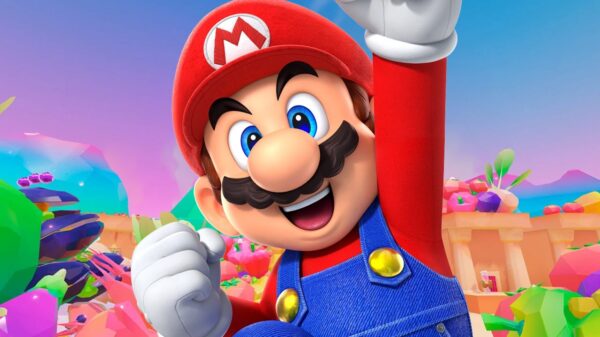
Conversely, the Japanese cover opts for a more minimalist approach. Here, Mario takes the spotlight, poised and determined, with the game’s title, “Mario Tennis GC,” relegated to a more understated position at the bottom. This design choice emphasizes the character’s significance and aims to convey a sense of focus and intensity. Additionally, the inclusion of the slogan “Smash it up” adds a catchy element, drawing attention to Mario’s energetic persona.
The differences in the cover art not only reflect regional marketing strategies but also play into broader cultural aesthetics. In Japan, the emphasis tends to be on individual character strength and simplicity, while Western designs often feature ensemble casts and high-energy action that appeal to family-oriented gaming. This divergence indicates a strategic understanding of market preferences, with the aim of maximizing appeal in different demographics.
As fans engage in discussions about which box art they prefer, it underscores the powerful nostalgia associated with the Mario franchise. The ongoing popularity of Mario Tennis, both as a series and as a nostalgic staple, can be attributed to its ability to adapt and resonate with the gaming community. Each iteration of the series not only showcases new gameplay mechanics but also reinforces the franchise’s legacy through its visual representations.
The results of the poll and the reactions to the artworks serve as a reminder of the enduring impact that cover art has within the gaming landscape. It acts as the first point of contact between the game and potential players, influencing perceptions and expectations before they even hit the start button. As the gaming community continues to evolve, the significance of such artistic choices will likely remain a pivotal part of discussions in the industry.
Looking ahead, the ongoing interest in the Mario Tennis series may lead to further exploration of its artistic identity. As game developers and marketing teams strive to create compelling visuals that resonate with global audiences, it will be intriguing to see how future titles balance tradition with innovation in their packaging designs.