













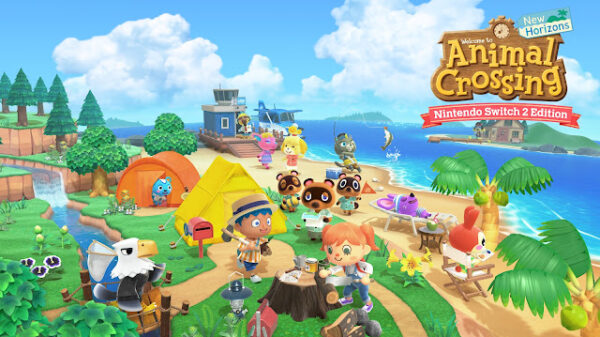







Animal Crossing: New Horizons continues to captivate players with its idyllic gameplay and charming aesthetics. In its first week, players are encouraged to focus on essential tasks to unlock the Town Hall, which paves the way for critical features such as terraforming. This guide aims to streamline the initial experience, ensuring that new residents can establish their island paradise swiftly.
The first day, referred to as Day 1, essentially includes two parts due to a scripted Day 0. Players begin by creating their avatar, selecting a base island layout, and setting up camp. After a brief in-game sleep, the clock aligns with real-world time, marking the official start of their journey. This immersive experience sets the stage for what lies ahead.
On Day 1, players must complete a series of tasks. These include placing their tent and the tents for two villagers, gathering party supplies, and going through the DIY tutorial. Crafting essential tools, such as the Flimsy Fishing Net and Flimsy Bug Net, is also necessary. Players are expected to donate at least five bugs or fish to Tom Nook, pick a museum location, and pay off a 5,000 Nook Miles debt. The completion of these tasks allows players to upgrade their tent to a house and order a Wet Suit from Nook Stop, costing 800 Nook Miles.
As players transition into Day 2, they can visit the newly opened Airport and continue their donations to Blathers, this time aiming for 15 contributions in total across various categories, including bugs and fish. Crafting the Flimsy Shovel and Vaulting Pole is also crucial, as is gathering materials for Nook’s Cranny, which requires a total of 30 each of Wood, Hardwood, Softwood, and Iron Nuggets. Players are further encouraged to use a Nook Ticket to explore Mystery Islands and invite a third villager to their newly established community.
Day 3 marks a shift as the Museum remains closed, prompting players to visit Nook’s Cranny and meet Mable. This day also introduces the crafting of the Ladder, allowing access to elevated areas, and tasks players with placing bridges and villager house plots, vital for further island development.
With the opening of the Museum on Day 4, players can begin donating collected items, further engaging with the community. Meeting new villagers adds to the sense of growth as the island transforms from a barren landscape into a thriving community.
Days 5 and 6 focus on meeting newly introduced villagers and learning how to customize items, a feature that enhances personalization within the game. A visit to Harv’s Island on Day 5 allows players to explore new possibilities and engage with additional content.
As the first week culminates on Day 7, players face the closure of Residential Services, limiting access to Nook Stop. However, anticipation builds for Day 8, when the Town Hall officially opens, and Isabelle moves in. This marks a significant milestone, enabling players to further expand their island’s amenities and manage their community effectively.
In summary, the first week in Animal Crossing: New Horizons is a structured yet flexible experience that encourages exploration and creativity. Players are advised to focus on obtaining a three-star island rating to unlock terraforming features, enhancing their ability to reshape their environment. The journey does not end here; it expands into a broader context of island life, where community building and personal expression play crucial roles in shaping a unique paradise.
As players continue to navigate the intricacies of island life, the various guides available offer invaluable resources. From crafting tools to understanding museum donations and unlocking amenities, each element contributes to a rich gaming experience. The ongoing development of one’s island stands as a testament to the engaging nature of Animal Crossing, inviting players to immerse themselves in a world of creativity and community.