





























A groundbreaking clinic specializing in gaming disorder has officially opened at Fiona Stanley Hospital in Perth, marking an Australian first in addressing the growing concerns surrounding excessive gaming. This initiative comes at a time when the global gaming industry faces stagnation, contrasting sharply with the burgeoning gaming sector in New Zealand, which has reported a dramatic increase in revenue.
According to the latest survey from the NZ Game Developer’s Association, the country’s video game sector achieved a pre-tax income of $759 million, reflecting a remarkable 38 percent growth from the previous year. Kate Edwards, the executive director of the International Game Developer’s Association, highlighted New Zealand’s rapid development during an interview with Nine to Noon, stating, “You’ve got a nice ecosystem that is well supported by the government, you’ve got an education system that’s supplying talented people going into the games industry.”
Edwards noted that this growth stands out in an industry that has struggled internally following the Covid-19 pandemic. Many major game companies expanded rapidly during lockdowns, hiring extensively due to a surge in gameplay as people turned to gaming while confined at home. However, as life returned to normal, many of these companies faced the harsh reality of needing to downsize after overestimating the longevity of the spike in gaming interest.
While New Zealand’s gaming industry is still largely composed of “indie” or “double-A” studios, Edwards pointed to their increasing visibility and success. She cited recent achievements, such as the indie title “Clair Obscur: Expedition 33,” which garnered multiple awards, and “Balatro,” developed by a single anonymous individual in Canada, as evidence that smaller teams can achieve substantial recognition and sales.
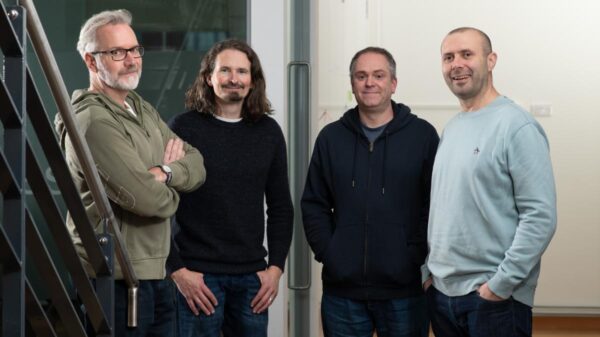
Notably, the Christchurch-based indie game “Dredge” also found significant success in 2023, despite being crafted by a mere four-person team. Edwards remarked that while some games have short life cycles, others maintain a lasting presence, as seen with franchises like “Call of Duty” and “Battlefield,” which have successfully captured audiences for decades.
The longevity of titles such as “Path of Exile,” released in 2013 and still enjoying a robust player base, further underscores the potential for sustained success in the gaming industry. With the launch of “Path of Exile 2,” the franchise has only continued to grow, illustrating the viability of long-term engagement in gaming.
Edwards drew parallels between New Zealand’s game development scene and that of Finland, which has also experienced notable success. “I see a lot of similarities and parallels there, which is a really good thing because Finland has basically used their national identity as a driving force to say ‘Finnish game developers are the best in the world.’ Well, I think New Zealand developers are on par with that as well,” she stated. She emphasized the importance of a cohesive national identity to foster collaboration within the creative sector, especially as the lines between gaming, film, and television continue to blur.
The launch of the gaming disorder clinic in Perth coincides with these developments, shedding light on the dual aspect of the gaming world: its potential for growth and innovation, alongside the challenges posed by excessive engagement. As New Zealand’s gaming industry continues to flourish, the establishment of support systems for those struggling with gaming issues may prove crucial in ensuring a balanced and healthy gaming culture in the years to come.