




















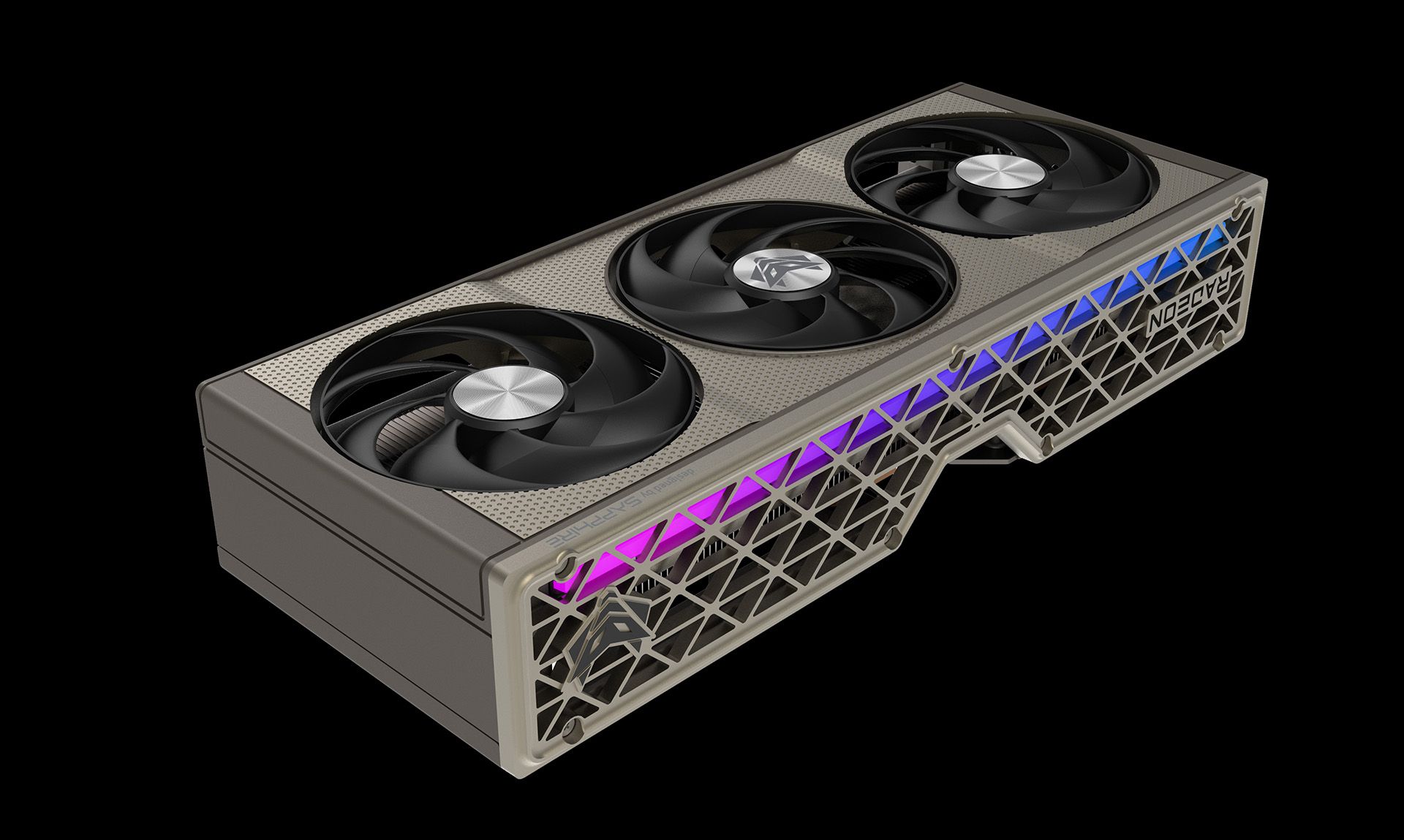
In a recent podcast with Hardware Unboxed, Edward Crisler, the PR manager at Sapphire Technology, expressed his desire for greater creative freedom in the design of graphics cards. During the discussion, Crisler, who is also a passionate PC enthusiast, lamented the restrictions imposed by major chip manufacturers like AMD and Nvidia on their AIB (Add-In Board) partners. He articulated a wish for Sapphire to be able to innovate beyond the confines set by these chip makers, which he believes stifles creativity in the GPU market.
Crisler pointed out that most graphics card models perform similarly across various AIB partners, primarily due to the stringent guidelines established by Nvidia and AMD. “I personally wish they would let us be the companies that we are, instead of trying to create the mold,” he stated. These guidelines encompass key aspects like overclocking, power delivery, and memory configurations, which restrict AIB partners from fully exploring their designs.
One significant limitation is that AIB partners cannot unlock additional voltage points to enable higher overclocking capabilities, nor are they allowed to adjust VRAM configurations unless the specific GPU model officially supports those changes. For example, the RX 9060 XT is available in both 8GB and 16GB models, but such variations are exceptions rather than the norm. The power limits imposed on these GPUs further contribute to a level of performance uniformity; for instance, the less expensive RTX 5070 performs nearly identically to its pricier counterparts out of the box.
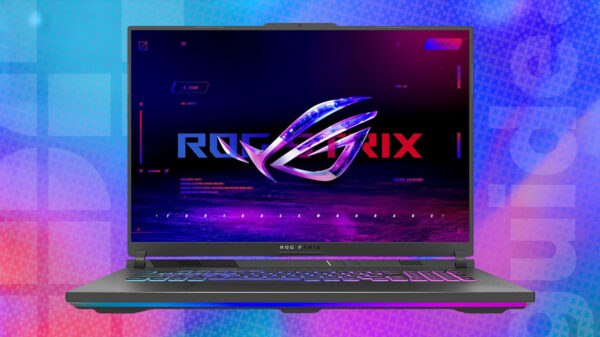
Crisler claimed that these restrictions have led consumers to focus primarily on cooler designs and product support when selecting a graphics card. He also touched on the highly anticipated Toxic series, which represents Sapphire’s flagship lineup, akin to Asus’s ROG Astral graphics cards. Crisler noted that the limited overclocking headroom characteristic of modern GPUs prevents Sapphire from regularly introducing new Toxic cards with each generation of AMD GPUs.
Beyond design constraints, Crisler shared insights regarding the 12VHPWR connector within the RX 9070 XT Nitro+. He stated that the connector has generally performed well, with only three instances of failure that he is aware of. In each case, the fault lay with a 16-pin adapter rather than the power connector on the card or the power supply itself.
In discussing market dynamics, Crisler revealed that the Steam Hardware Survey may not provide an accurate reflection of AMD’s market share. According to his inquiries with Valve, only one-twelfth of the entire Steam user base is prompted to participate in the survey each month. Consequently, he posited that AMD’s actual market share in the gaming graphics card sector could be as high as 40%, excluding sales of the latest RTX 5090 models.
Crisler’s comments highlight ongoing frustrations within the GPU manufacturing space, particularly regarding the balance between innovation and the constraints imposed by major chip manufacturers. As the gaming landscape continues to evolve, the ability for AIB partners like Sapphire to break free from these limitations could lead to a new wave of creative designs and enhanced performance, ultimately benefiting consumers.