




















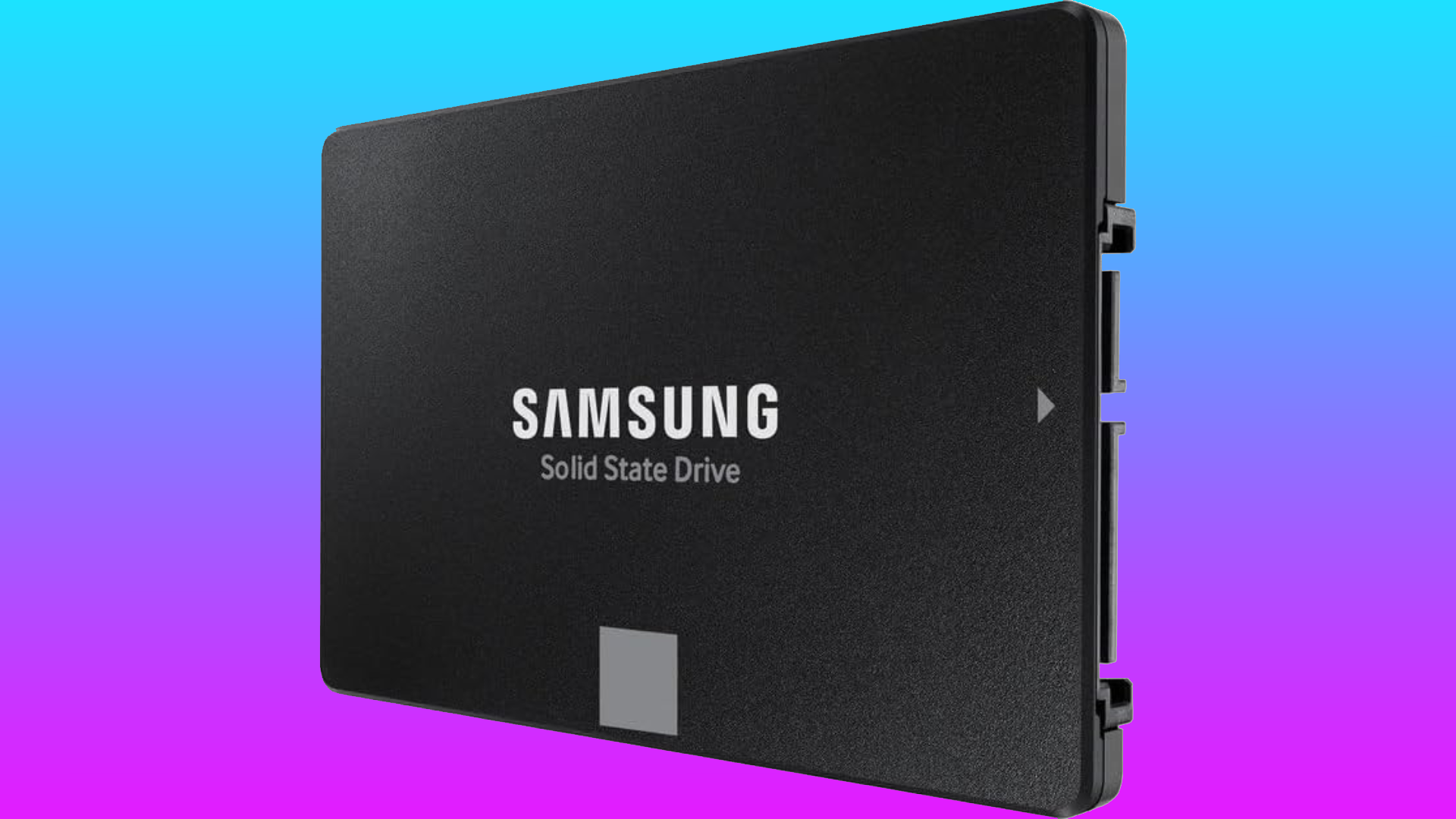
In a significant development for the tech industry, Samsung is reportedly poised to cease production of SATA SSDs as early as January, according to multiple sources cited by the gaming and tech news outlet Moore’s Law Is Dead. This decision comes in light of the ongoing “memory pricing apocalypse,” which is affecting prices across various storage solutions, including NVMe SSDs. The prediction indicates that the discontinuation of SATA drives could further exacerbate the rising costs for consumers over the next two years.
The rationale behind Samsung’s move appears linked to the growing demands of the AI industry, which has led to an insatiable appetite for system and storage memory. As Samsung shifts its focus away from budget-friendly products like SATA SSDs, the company could be prioritizing more lucrative ventures, particularly in partnership with Nvidia on an ‘AI Megafactory’ announced last October.
SATA SSDs, which are traditionally capped at a theoretical maximum speed of around 550 MB/s, are increasingly seen as less appealing in comparison to NVMe drives. NVMe technology allows for significantly faster data transfer rates, unhampered by interface limitations, making them a more favorable option for manufacturers. As the demand from the AI sector diverts valuable NAND flash memory away from consumer markets, Samsung’s decision may reflect a broader trend within the industry favoring NVMe production over SATA options.
The challenges posed by SATA production extend beyond just performance limitations; manufacturing costs are also a concern. The straightforward design of NVMe drives, while potentially more fragile, simplifies production, allowing companies like Samsung to streamline operations and enhance profitability. This shift has wider implications for consumers who may soon face diminishing options and increasing prices for traditional SATA SSDs.
Samsung is not the only player in the market making such significant changes. Recently, Micron announced plans to shutter its Crucial consumer product line, which includes DRAM and both NVMe and SATA SSDs, early next year. This trend of exiting the consumer market could further tighten supply chains and drive up prices as manufacturers pivot towards more profitable sectors.
However, the Moore’s Law Is Dead report suggests that the situation may not be as bleak as it appears. Although the memory crisis is expected to persist for the next few years, predictions indicate that prices could stabilize and potentially decline toward the end of 2026. This anticipated shift is based on the expectation that locally hosted AI applications will increase in prevalence and demand around 2027, prompting a renewed focus on consumer memory hardware.
Nevertheless, there remain uncertainties. If AI technology fails to transition effectively into consumer markets, analysts warn of a potential economic bubble that could rival the magnitude of the subprime mortgage crisis of 2008. Should such a scenario unfold, the ramifications would reach far beyond mere supply shortages, introducing even greater volatility into the tech and gaming sectors.
This evolving landscape underscores the interplay between technological advancements and consumer accessibility. As companies increasingly prioritize AI development over traditional consumer needs, gamers and tech enthusiasts may find themselves navigating a more challenging market, where performance and cost are in constant flux. The coming months will likely reveal how this situation unfolds, as consumers brace for potential shifts in availability and pricing for essential storage solutions.