



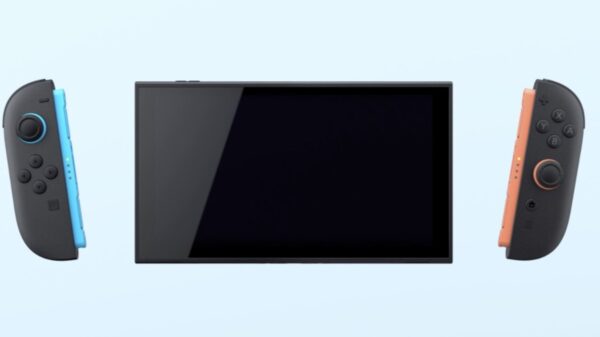


Hades II, the highly anticipated sequel to 2019’s critically acclaimed Hades, is now available on PC and the Nintendo Switch, with a launch on the latter platform highlighting the game’s appeal for players seeking portable gaming experiences. Initially released in early access on PC, the full version of Hades II has made its mark by seamlessly integrating its roguelike gameplay style into the convenience of handheld consoles, perfectly suited for on-the-go play or engaging sessions at home.
The game shifts focus from its predecessor’s protagonist, Zagreus, to his younger sister, Melinoe, a character introduced to players as a young witch torn from her family. Under the tutelage of the goddess Hecate, Melinoe embarks on a quest to confront the titan Chronos. Her journey is fueled by the desire to reunite with her family and restore balance to both the Underworld and Mount Olympus—a narrative deeply rooted in Greek mythology that continues the themes established in the original.
As players navigate through the richly designed world of Hades II, they will encounter a diverse array of Greek gods and mythical figures, each presenting their own challenges. The game’s structure allows for frequent resets at the Crossroads, a mechanic that encourages players to adapt and strategize in their pursuit of victory. This recurring cycle is emblematic of the roguelike genre, where failure is not just a possibility but a necessary step towards growth and mastery.
The visual design of Hades II remains striking, echoing the artistic style of its predecessor while enhancing the immersive experience. Accompanied by a compelling soundtrack and well-crafted character interactions, the game delivers a robust narrative that captivates players. This combination of aesthetics and gameplay mechanics has already garnered attention, making Hades II a title that is hard to ignore in the current gaming landscape.
Critics and players alike have noted the game’s ability to balance its challenging gameplay with an engaging story, making it accessible to both newcomers and veterans of the genre. The meticulous attention to detail in character development and world-building adds depth to Melinoe’s quest, inviting players to invest emotionally in her journey. This emotional engagement is crucial, especially as the game demands perseverance through its challenging mechanics.
As the gaming community eagerly embraces Hades II, developers at Supergiant Games are already looking ahead. While the game has made its debut on PC and Nintendo Switch, discussions about potential expansions or additional content are likely to follow, especially given the original game’s success in building an expansive universe. With its solid foundation in both gameplay and storytelling, Hades II is poised to influence future releases in the roguelike genre and beyond.
In conclusion, Hades II stands out not just as a sequel but as a significant evolution of its predecessor, enriching the lore of Greek mythology with fresh narratives and gameplay mechanics. As players dive into Melinoe’s journey, the title reinforces the enduring popularity of roguelike games and highlights the continued innovation within the industry. Anticipation for what comes next is palpable, promising exciting developments in both the game’s universe and the broader gaming sphere.