


















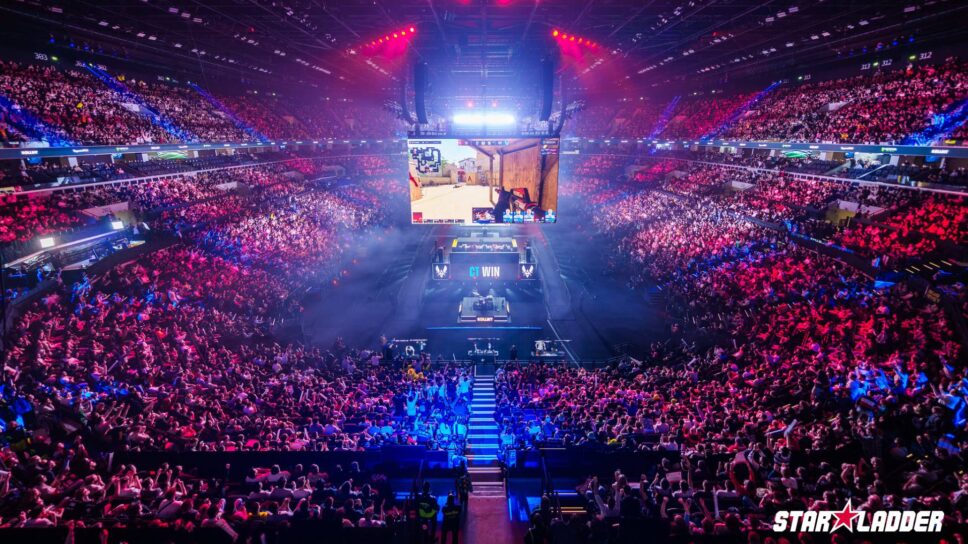
The recently concluded CS2 Budapest Major 2025 showcased significant trends in map preferences and strategic approaches within the competitive Counter-Strike 2 landscape. This event marked a distinct evolution from the earlier Austin Major 2025, notably featuring Overpass instead of Anubis and highlighting Train for the second time after its introduction to the competitive scene in late 2024, replacing Vertigo.
As teams navigated the Swiss stages and playoffs, the map selection data revealed insights into the competitive meta that are critical for understanding team preparations and adaptability. According to statistics from hltv.org, Dust II emerged as the most played map of the tournament, being featured in 31 matches, including 13 best-of-one (Bo1) encounters. This map continues to resonate deeply within the community, despite some calls for its replacement, underscoring its classic status in the franchise. Following closely was Mirage, with 30 plays and nine in Bo1 formats, while Inferno maintained relevance with 28 appearances, despite vocal criticism from certain segments of the player base.
In terms of playoff performances, Nuke demonstrated its value in Bo1 matches, being the second most favored map in this format. It provided teams with a reliable option to showcase their strengths without the need for recovery or adaptation, which is often required in longer series. This characteristic made it a focal point in high-stakes matches, including the grand finals.
While Ancient and Overpass struggled for visibility throughout the tournament, they remained in the conversation regarding future updates to the CS2 Active Duty Pool. Overpass, having only being added mid-2025, is less likely to be removed, but Ancient’s future appears uncertain. The latter was only selected once in the playoffs, where NAVI managed to secure a win against FaZe on this map, though it lost on two others.
The limited appearances of both Overpass and Ancient could prompt a reevaluation by Valve in the wake of this Major, especially given the precedent set by the previous replacement of Vertigo. The community’s engagement during the event also highlighted a growing demand for the return of Cobblestone, indicating that fans are eager for new and diverse gameplay experiences ahead of the 2026 esports season.
As the dust settles on the Budapest Major, the data gleaned from the event provides a roadmap for teams looking to refine their strategies in future tournaments. The preferences observed might influence roster decisions and training regimens, as teams strive to adapt to the evolving competitive landscape. With the next major event on the horizon, the dynamics of map selection will undoubtedly continue to shape the trajectory of competitive Counter-Strike 2.