
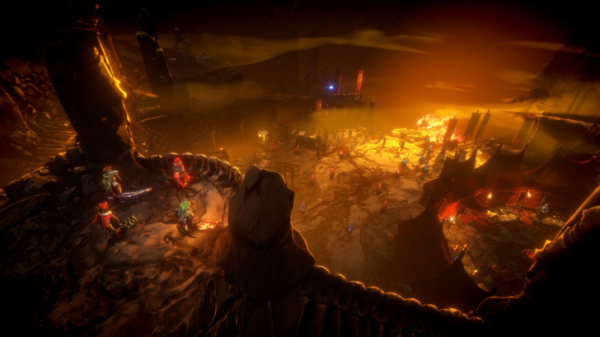




















Peter Molyneux, the influential game designer known for his ambitious projects, has announced that his upcoming title, Masters of Albion, set to release on April 22, will mark his final contribution to the gaming industry. Whether this retirement is definitive remains uncertain, but it has coincided with the conclusion of the beloved parody social media account, Peter Molydeux, which has entertained the gaming community for 17 years. Launched in 2009 by artist Adam Capone, the account humorously critiqued Molyneux’s creative ambitions by posting absurd game ideas that became a cultural phenomenon in their own right.
The Molydeux account quickly gained traction, drawing significant attention and prompting discussions around game design. The account’s humorous and surreal tweets, such as “Imagine a game where you can date and form a deep meaningful relationship with your weapons,” highlighted Molyneux’s propensity for grandiose concepts. Over time, it became clear that some of the ideas shared were not just funny but also intriguing, reflecting a deeper allure in Molyneux’s often outlandish visions.
In 2012, the influence of the Peter Molydeux account culminated in the creation of MolyJam, an event that inspired developers to create games based on these peculiar tweets. A follow-up event, MolyJam 2, shifted focus slightly to incorporate actual Molyneux quotes, indicating the impact of his unique style on the indie game scene. The festival resulted in over 280 games that explored wild design concepts, emphasizing a collective desire for creativity within the community.
Capone noted that the account’s success stemmed from its lightheartedness. While Molyneux has been referred to as “the game industry’s biggest bullshitter”—a label often used with affection—Capone emphasized that the playful critique was never malicious. Molyneux’s exuberance and genuine passion for innovation have endeared him to many, despite the mixed results of his projects. His enthusiastic participation in events like MolyJam showcased his belief in the necessity for creativity and innovation in gaming, often criticizing the industry’s tendency to prioritize formulaic designs over imaginative pursuits.
Reflecting on the evolution of the gaming landscape since the inception of the Molydeux account, Capone noted a significant shift in how game ideas are perceived. As the indie game scene flourished, concepts that once seemed bizarre became commonplace. Games like Donut County and Viewfinder challenged traditional notions of gameplay, illustrating how the industry has opened up to diverse experiences that Molydeux once envisioned as outrageous.
Capone expressed a sense of nostalgia for Molyneux’s earlier, more unfiltered excitement, which he believes has been replaced by carefully crafted pitches and marketing strategies. The decision to retire the Peter Molydeux account reflects a broader sentiment within the gaming community, where the balance between creativity and commercial viability often shifts. Despite these changes, Capone remains optimistic about the potential for innovative game design to thrive in the coming years.
In his farewell message, Capone acknowledged the challenges facing the industry, including personal struggles after the closure of his workplace, Ubisoft Halifax. He articulated a belief that the future of gaming lies in small, unconventional projects driven by passionate creators eager to push boundaries. Capone’s hope is that as the industry navigates this period of transition, it will continue to embrace the spirit of creativity that defined the early days of the indie movement.
As Molyneux prepares to retire, he leaves behind a legacy marked by both successes and failures, but ultimately defined by his relentless pursuit of innovation. Masters of Albion is anticipated as Molyneux’s “redemption title,” an opportunity for him to leave a lasting impression on the gaming landscape before stepping away. The eventual impact of his retirement, along with the closing of the Peter Molydeux account, signals the end of an era in which both his visionary ideas and Capone’s playful satire have significantly shaped the ongoing dialogue surrounding game design.