











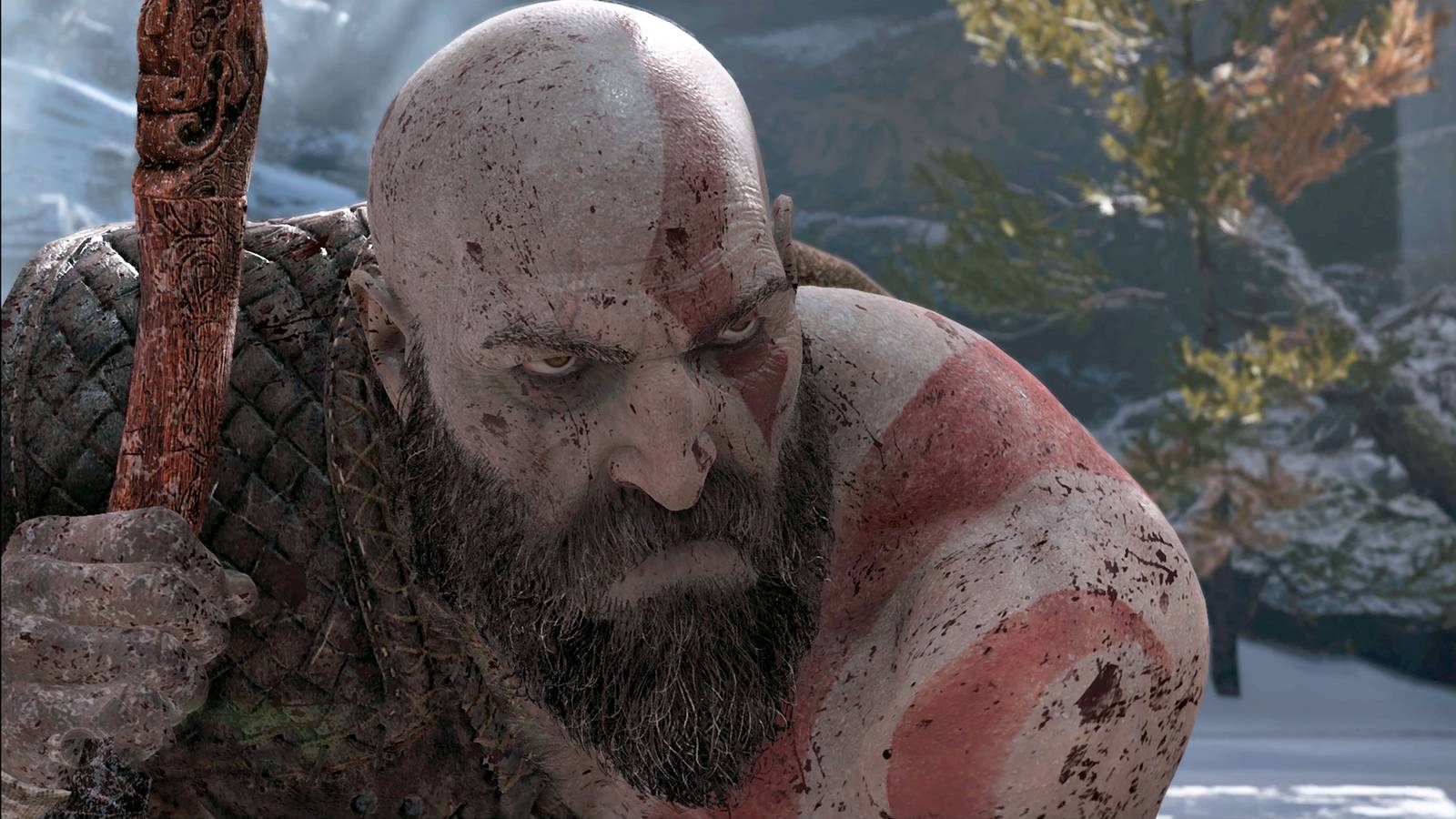
Rumors are escalating regarding potential developments from Santa Monica Studio, the creators of the esteemed God of War series, hinting at a possible new game release in 2026. Speculation ranges from a new entry in the series to a collection or perhaps a spinoff. Since its inception in 2005, Santa Monica Studio has been dedicated exclusively to the God of War franchise, making it likely that the team is working on something significant.
While many fans eagerly anticipate another chapter featuring Kratos, some gamers, including this correspondent, are advocating for a different direction: a revival of Kinetica. Originally released in 2001 for the PlayStation 2, Kinetica marked Santa Monica Studio’s debut and was a fast-paced, sci-fi racing game reminiscent of F-Zero. The game allowed players to take control of drivers equipped with kinetic suits, transforming them into almost human-like vehicles. Although largely overshadowed by the success of the God of War series, Kinetica is a mechanically intricate arcade racer that warrants renewed attention as the genre experiences a resurgence.
At first glance, Kinetica may seem straightforward, with players competing in “seasons” through a grand prix of tracks. However, it requires a nuanced understanding of the game’s mechanics. Racers are designed to be aerodynamic, lying flat with wheels at either end, creating challenges with turning and momentum. Players must learn to maneuver skillfully, as oversteering can lead to disastrous spins, necessitating a careful approach to cornering—a feature not typically associated with racing games.
The game introduces several mechanics that deepen gameplay. For example, players can break while turning and then double-tap the accelerator to regain speed. Boost zones allow racers to absorb and store speed boosts, and performing tricks in mid-air can yield extra boosts upon landing. Power-ups that players can collect add another layer of strategy, emphasizing skill development as much as speed. This complexity, combined with intricate courses that feature wall-riding and alternate paths, creates a racing experience that is not only about speed but also human athleticism.
Reflecting on Kinetica in today’s gaming landscape, it becomes evident how ahead of its time it truly was. The game is not about mindlessly accelerating; it demands an understanding of the physical limits of the racers and the skills needed to push those limits effectively. This focus on human performance over digital speed sets it apart from other racing titles, making it a unique entry that could thrive in a modern gaming market.
The timing for a revival could not be better. With 2025 marking a renaissance for arcade racing games, titles such as Mario Kart World, Kirby Air Riders, and Sonic Racing: Crossworlds have reignited interest in the genre. Expectations are high for 2026 with upcoming releases like Star Wars: Galactic Racer and Screamer. A revitalized Kinetica could fill the void left by the absence of F-Zero, which has not seen a new entry in years.
For those eager to experience this unique title, Kinetica is available for $9.99 on the PlayStation Store and can also be found within the PlayStation Plus Premium library. Gamers looking for a racing experience that eschews the traditional formula should consider revisiting this gem while waiting for the next wave of releases in 2026. The call for a revival is not just nostalgic; it’s a request for innovation and diversity in gaming, challenging Santa Monica Studio to explore their creative roots once again.