


















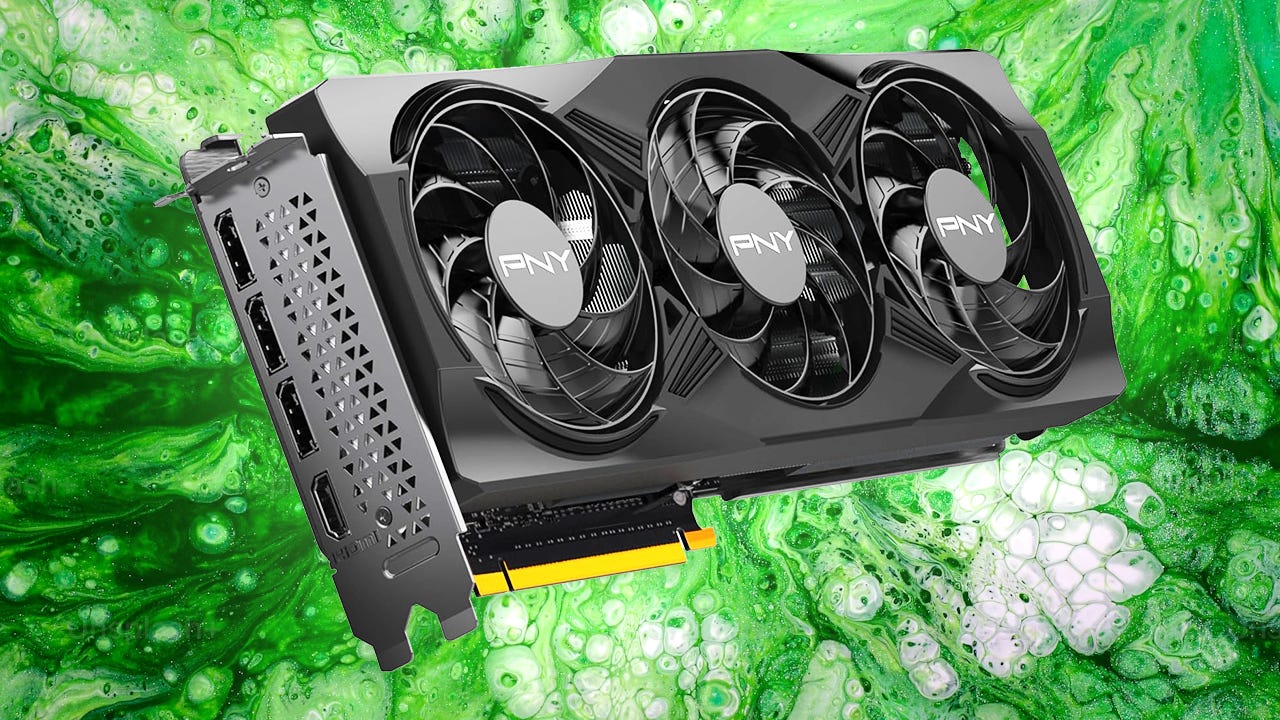
The outlook for GPU pricing is becoming increasingly concerning, with reports indicating that Nvidia may reduce production of its consumer graphics cards by 30% to 40%. This shift is primarily attributed to rising demand for DRAM and Nvidia’s strategic pivot towards supplying AI data centers. Consequently, the anticipated decrease in supply is likely to drive GPU prices upward in 2026, creating a challenging environment for gamers and PC builders alike.
However, for those looking to upgrade their systems now, opportunities still exist to acquire current generation GeForce graphics cards at retail prices. Notable retailers such as Walmart and Amazon are currently offering select variants of the GeForce RTX 5070 Ti, RTX 5070, and RTX 5060 Ti 16GB without markup, although the window for these deals may be limited.
The Nvidia GeForce RTX 5070 Ti, priced at $749, has emerged as a standout option among Nvidia’s Blackwell GPUs. It excels in delivering impressive 4K gaming performance while remaining competitively priced. Reviewers have noted that it rivals the performance of the RTX 4080 Super, benefiting from newer GDDR7 VRAM and DLSS 4 with multi-frame generation capabilities. For users interested in AI applications, the RTX 5070 Ti presents a more cost-effective solution compared to the RTX 5080, as both models feature 16GB of RAM.
In direct comparison with AMD’s offerings, the RTX 5070 Ti holds its ground against the AMD RX 9070 XT in terms of raw performance. However, it outshines its competitor when it comes to upscaling technology and ray tracing performance, solidifying its position as a top choice for high-end gaming.
Another option, the Nvidia GeForce RTX 5070, is available for $549. This card performs on par with the previous generation RTX 4070 Super, which was already highly regarded for 1080p and 1440p gaming. Equipped with 12GB of GDDR7 VRAM, the RTX 5070 is capable of maintaining high frame rates at 1440p, and it allows users to play less demanding titles at 4K. Nevertheless, those seeking peak performance at 4K may find that the RTX 5070 Ti offers a significant upgrade.
For budget-conscious gamers, the Nvidia GeForce RTX 5060 Ti is priced at $449.99 and comes in two variants featuring either 8GB or 16GB of VRAM. Experts strongly recommend opting for the 16GB model, as comparisons have shown a notable performance disparity between the two. The 16GB variant represents an excellent choice for 1080p gaming, outperforming the RTX 4060 Ti by approximately 20% and the RTX 3060 Ti by around 40%, even without the enhancements offered by DLSS 4.
As the gaming market navigates these changes, consumers are encouraged to act swiftly when considering GPU upgrades. The current availability of these GPUs at retail pricing may not last long, and the impending production cuts by Nvidia could significantly alter the landscape for GPU acquisition in the near future. With the increasing demand for graphics cards driven by gaming and AI applications, the significance of making a timely purchase cannot be overstated. As Nvidia focuses more on AI data centers, the implications for consumer graphics cards could become even more pronounced, making the time to buy now rather than later a critical decision for many gamers.