







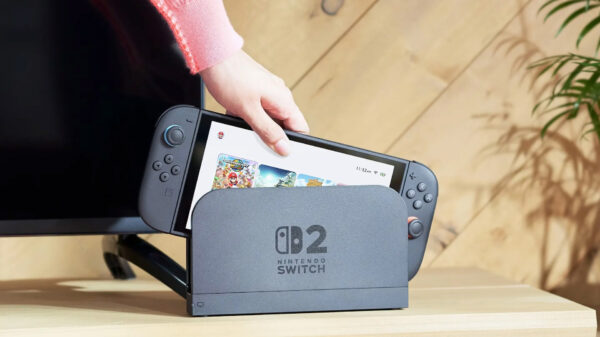














The upcoming release of Tomodachi Life: Living the Dream marks a significant moment for gamers as Nintendo prepares to bid farewell to its current console, the Nintendo Switch. Scheduled to launch in Spring 2026, this title is one of the last major first-party releases for the platform, which has seen over 15 notable titles since the Switch’s initial release in March 2017. The announcement of this game, along with another title, Rhythm Heaven Groove, signals Nintendo’s commitment to providing a robust library even as it shifts its focus to newer hardware.
This pattern of supporting a departing console is not new for Nintendo. Historically, the company has launched additional titles on legacy systems to maintain engagement among players. For example, after the release of the Super Famicom, Nintendo introduced the fighting game Joy Mech Fight and the puzzle title Wario’s Woods on the NES. Similarly, the Game Boy Advance received several titles post-DS launch, including the tilt-based platformer Yoshi Topsy-Turvy.
The Nintendo 3DS enjoyed an extended lifespan following the launch of the Switch. More than 15 significant titles were released, such as Metroid: Samus Returns and Pokémon Ultra Sun and Ultra Moon. This trend continues with the Switch, which has already seen games like Pokémon Legends Z-A and Metroid Prime 4, indicating that Nintendo intends to keep the existing player base satisfied until the transition is complete.
Tomodachi Life: Living the Dream is particularly noteworthy as the third installment in a series that has captivated audiences with its quirky charm. The original game, Tomodachi Collection, was a Japan-only release on the Nintendo DS, yet it sold 3.2 million units, prompting Nintendo to release its sequel, Tomodachi Life, on the 3DS in the West. This gamble proved successful, with Tomodachi Life selling 6.72 million copies globally, becoming the 11th best-selling game for the platform.
What attracts players to the Tomodachi Life series is its deliberately bizarre mechanics. Players create or import Mii characters, often including celebrities, who live together on a virtual island. These Miis can develop friendships, fall in love, and engage in a range of whimsical activities. The surrealism is a key feature, providing moments of unexpected humor, such as Miis participating in a tribal dance or encountering absurd scenarios involving nostalgic gaming items.
With the upcoming title, Nintendo aims to enhance player agency. Unlike its predecessor, Tomodachi Life: Living the Dream will allow players to select interactions for their Miis, moving away from the randomness that characterized previous installments. While some may argue that this could detract from the game’s unpredictability, it promises to streamline gameplay and reduce frustration.
The new trailer, released in September, introduces upgraded Mii customization options, including a wider variety of hairstyles. This reflects Nintendo’s ongoing effort to modernize the Mii creation suite while retaining the signature absurdity of the gameplay. Early footage showcases humorous scenarios, such as Miis being buried under piles of nostalgic gaming gear, which ensures that the new title will maintain the delightful silliness fans have come to love.
As Tomodachi Life: Living the Dream prepares to launch, it serves as a fitting tribute to the Switch’s legacy, embodying the quirky spirit that has characterized the franchise. The anticipation surrounding this title, along with the overall trend of late-console support from Nintendo, underscores the company’s commitment to its gaming communities. As players look forward to this unique blend of life simulation and absurdity, the release also suggests that Nintendo is poised to continue its innovation even as it transitions to new hardware in the near future.