























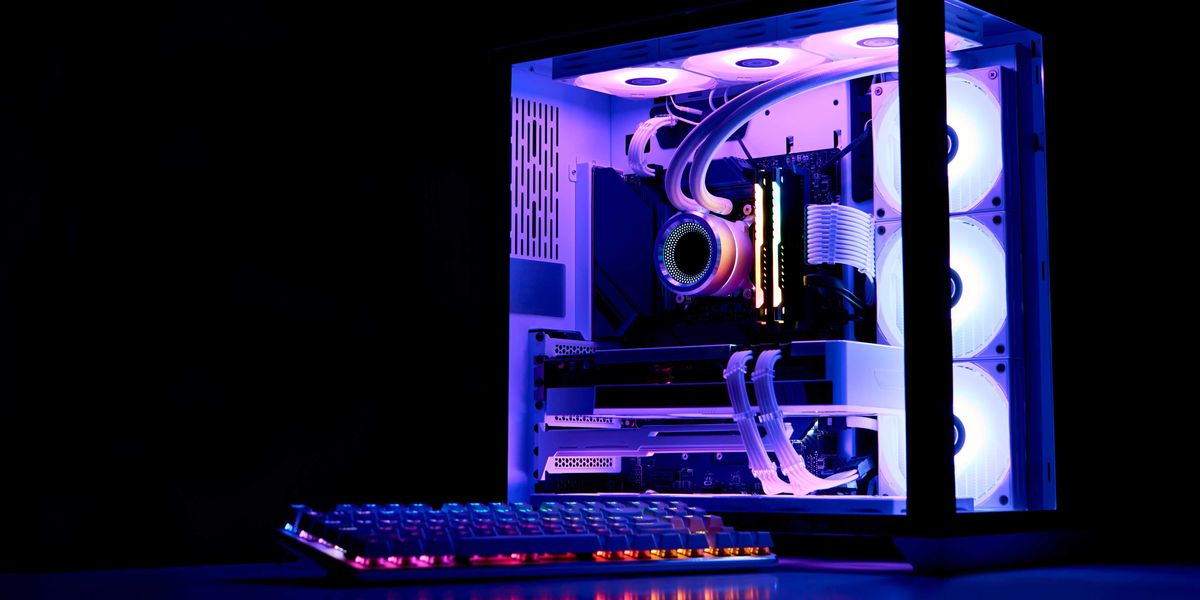
As the demand for advanced technology surges, consumers may soon face heightened financial barriers in purchasing essential gaming components. Reports indicate that the price of Graphics Processing Units (GPUs) is set to increase significantly, echoing similar trends seen in RAM and storage prices. This escalation is largely attributed to tech giants’ heightened demand for these components to support artificial intelligence (AI) data centers.
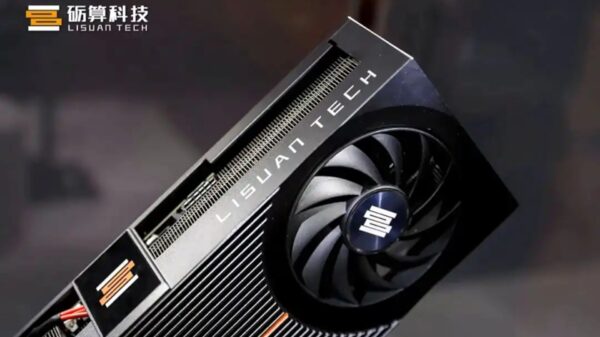
The GPU, a specialized electronic circuit responsible for generating images for display, is fundamental to delivering smooth, high-quality visuals in gaming, video, and 3D graphics. With AI applications also requiring powerful GPUs for faster model learning, the stage is set for another wave of price increases. According to a recent article by South Korean outlet Newsis, both Nvidia and AMD are expected to raise their GPU prices substantially starting January 2024.
Newsis reports that Nvidia’s flagship product, the RTX 5090, may see its price soar from an initial $2,000 at launch in early 2025 to a staggering $5,000. AMD’s upcoming RX 9000 series is also anticipated to increase in price, though not to the same extreme. High memory prices are cited as a primary factor driving these hikes, effectively complicating the purchasing landscape for gamers and tech enthusiasts alike.
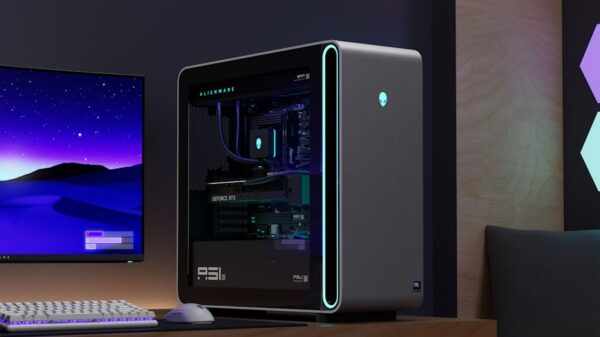
GPUs are critical for both consoles and PCs, enabling games to run as intended by developers. The projected price surge complicates access to these platforms, potentially leading to a further increase in their overall cost. This news has sparked outcry within the gaming community, particularly on platforms like the GamingLeaksAndRumours subreddit, where numerous users expressed their discontent over the impending financial strain.
One commenter lamented, “Why even bother putting them in stores at that point?” Another reaction underscored the drastic nature of the potential price rise: “$2,000 to $5,000 are they f****** crazy?” The speculation surrounding these price increases has also led some to wonder if this is a strategic leak designed to set consumer expectations absurdly high, thereby making any actual price raise seem more palatable. “Rumours said this card would be $5,000 but it has only gone up to $3,499. What a deal!” one user speculated.
The dissatisfaction runs deep among gamers, with one lamenting, “I really hate that my favourite hobby, gaming, has become a luxury.” Enthusiasts are left feeling that if they do not act quickly to secure these components, they may effectively be shut out of the PC market entirely. This sentiment highlights a growing concern that gaming, once viewed as an accessible pastime, is increasingly becoming a privilege reserved for those who can afford it.
As of now, Nvidia and AMD have yet to confirm these price increases, which should be treated as speculation until official announcements are made. The implications of this potential price surge extend beyond mere numbers; they signify a broader trend impacting the gaming industry as a whole. With the tech landscape evolving rapidly, the affordability of essential gaming components hangs in the balance, forcing consumers to navigate a precarious purchasing environment.
The future for gamers appears uncertain as they brace for these changes. As the intersection of gaming and artificial intelligence continues to expand, the ability to access and afford these essential components will likely shape the landscape of gaming for years to come.