




















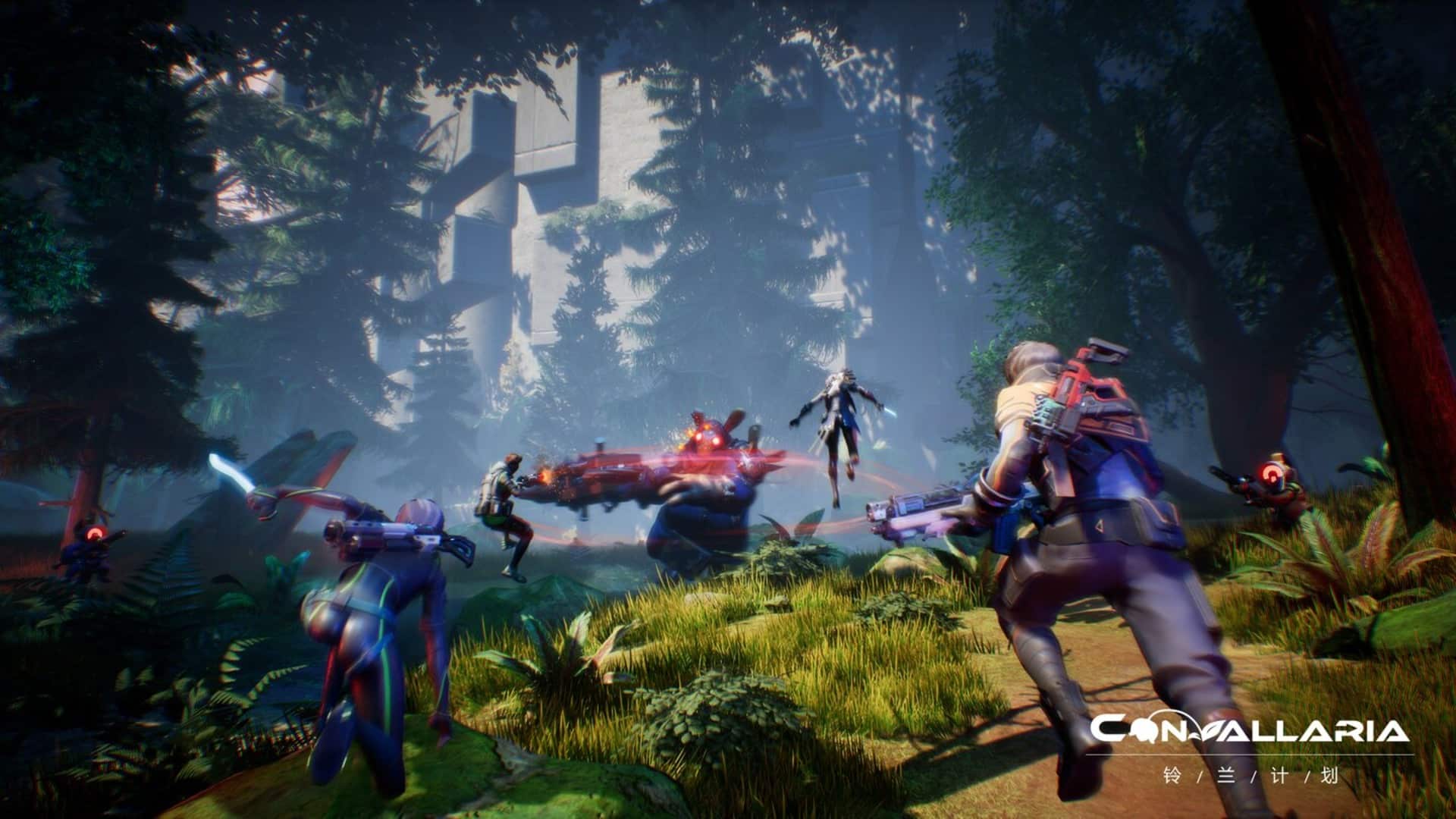
Convallaria, a project associated with PlayStation’s China Hero Project, has stirred significant concern among its fanbase due to its prolonged absence from updates or announcements. Recent developments suggest that the game is not cancelled, but the situation surrounding its production has become increasingly complex. Following a recent update on the China Hero Project website, PlayStation no longer lists Convallaria as part of its offerings, prompting speculation over the title’s future.
Documents detailing the troubled development of Convallaria have emerged, including complaint letters sent to Sony Interactive Entertainment (SIE) that outline the challenges facing the game’s developers, Loongforce. These documents were also shared with MP1st, raising questions about the management practices within the China Hero Project.
The correspondence indicates that delays in funding and communication issues have been critical factors contributing to the game’s stagnant development. Allegations against the management include the stalling of payments, ignoring communication from Loongforce, and even making unreasonable demands, such as requesting completion of tasks that had already been finalized. Furthermore, there are claims that management attempted to bring in an IT firm with personal connections to them, forcing the studio to bear the costs, and even hinted at taking over the project entirely.
Email exchanges between Loongforce and Bo Bao, the Director of China Game Production at SIE, were part of the documentation provided to MP1st. These exchanges reportedly support Loongforce’s claims regarding delayed payments and threats of project takeover by the support studio Virtuos.
Industry insiders have noted that while it’s common for another studio to assist in development, it is unusual for one studio to take over an entire project. This raises concerns about the overall direction and management of the China Hero Project, particularly for smaller developers like Loongforce who may rely heavily on the support and resources offered by larger corporations.
In addition, a recent update to the China Hero Project webpage has further fueled speculation. The updated pages, which affect regions across the Americas, Europe, the Middle East, Africa, Australia, and New Zealand, have removed Convallaria entirely. This deletion raises questions about the status of the title, especially as it comes at a time when Loongforce has expressed its frustrations regarding a lack of communication from SIE.
While some may attribute this removal to a technical error, an archived version of the webpage from October 16, 2025, shows that the site could support more than the eight tiles currently displayed. This suggests that the omission of Convallaria was deliberate, possibly indicating that PlayStation has quietly stepped away from the project.
This situation presents a troubling picture for indie developers looking to partner with major corporations like PlayStation. If the allegations against management are substantiated, it could deter other studios from entering the China Hero Project, which aims to foster local talent and innovation in the gaming industry.
The implications of this unfolding situation are profound. Should Convallaria ultimately be abandoned, it would not only represent a setback for Loongforce but also reflect poorly on the China Hero Project as a whole. The treatment of smaller studios raises concerns about the sustainability of such partnerships and the support offered to emerging developers in the ever-competitive gaming landscape.
As the situation develops, it remains essential for stakeholders within the gaming industry to monitor the progress of Convallaria and the broader implications for indie studios under the China Hero Project. MP1st has reached out to Sony for comments and will provide updates should they become available.