








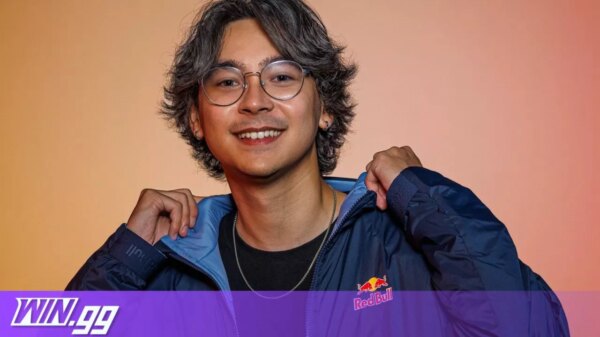
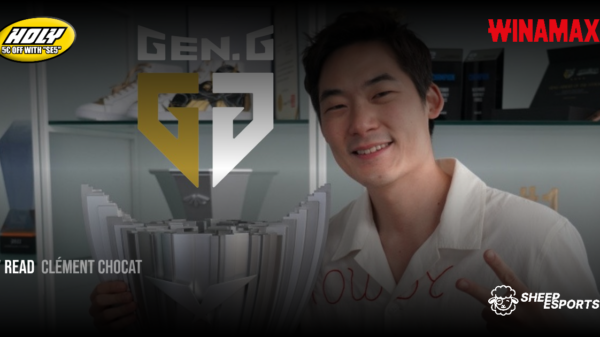


Gen.G CEO Arnold Hur recently discussed the evolving landscape of League of Legends esports during a conversation with French streamer and former pro player Jean “TraYtoN” Medzadourian. The interview, which took place on December 26, addressed critical issues such as financial sustainability, roster management, and the passionate support Gen.G receives from its French fans.
Among the most striking revelations was Hur’s analysis of the financial state of esports. He noted that Riot Games has cut esports spending by approximately 40% over the past two years, while salaries for teams in the League of Legends Champions Korea (LCK) have continued to rise. This paradox highlights a troubling trend where “at the high end, prices are getting out of control,” according to Hur, while “at the low end, people are spending less than ever and just kind of mailing it in.” This economic imbalance has led to a growing number of teams looking to sell or acquire others but struggling to find buyers.
Hur shared insights about the challenges within the current economic framework, stating, “The biggest problem is that there is no incentives. I will make more profit creating a losing team in League of Legends than I would creating a winning team… that’s a messed up system.” He emphasized that both Riot and team owners share responsibility for the current state of affairs, as the industry grapples with a lack of profitability despite its widespread popularity.
During the interview, Hur also touched upon the difficulties surrounding player salaries in a competitive ecosystem where financial integrity is often questioned. He openly supported the idea of salary transparency, calling for leagues to publish players’ contracts and profit and loss statements. “I’m all for having public salaries of players. Let’s go do it,” he stated, noting that most other organizations resist such changes. Hur believes that this reluctance stems from executives who prioritize job security over transparency.
One poignant moment in the discussion revolved around the salary negotiations involving star player Kim “Canyon” Geon-bu. Hur expressed regret that Canyon signed for “a hell of a lot less than he needed to,” hinting that better offers were available to the player. However, Hur clarified that he did not want to pressure players into taking lower salaries just to maintain a favorable personal relationship.
While discussing the emotional aftermath of Gen.G’s recent loss at the Worlds championship, Hur reflected on how the defeat impacted him personally. He stayed an additional day after the team’s elimination, contemplating necessary changes for the organization. “This one in particular really hurt,” he admitted, emphasizing a commitment to improvement through enhanced data analysis and mental health resources for players. This approach underscores a broader philosophy at Gen.G, which is focused on treating players as adults capable of handling their own responsibilities.
Addressing Mental Health and Player Treatment
In terms of protecting players from toxic fan interactions, Hur is wary of creating an artificial bubble around them. He argued, “We need to start treating them as young men and young women,” suggesting that equipping players with tools to manage online negativity is more beneficial than total shielding. For example, he encourages players to reframe how they interpret hateful messages and to limit their exposure to social media during critical moments.
Hur’s views on player autonomy manifest in Gen.G’s organizational culture, where players are asked for their input on team initiatives, including content creation. This respect for individual agency is designed to foster a positive environment conducive to both personal and professional growth.
Reflecting on his tenure as CEO, Hur identified a moment not marked by accolades or championships but rather by a player’s admission that their time at Gen.G was their best experience. This sentiment serves as a yardstick for the organization’s success in building a supportive and enriching environment for its players.
Looking to the future, Hur expressed optimism about Gen.G’s roster, which includes standout players like Jeong “Chovy” Ji-hoon and Park “Ruler” Jae-hyuk. He hopes that the upcoming seasons will culminate in significant achievements, potentially including a World Championship. The ongoing evolution of League of Legends esports will undoubtedly continue to challenge teams and organizations, but Hur’s insights reveal a roadmap focused on transparency, responsibility, and player welfare.