



























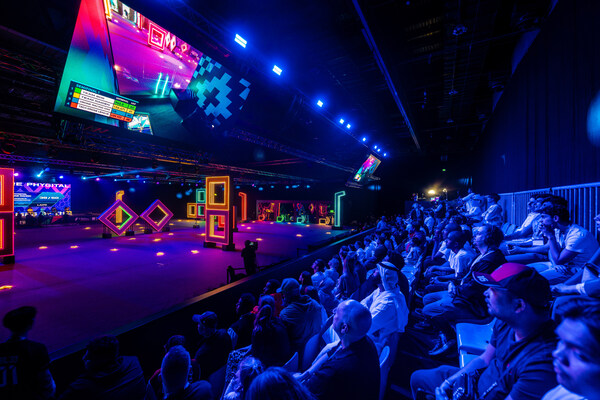
Games of the Future Abu Dhabi 2025 concluded on December 23 following six days of intense competition that showcased the burgeoning world of phygital sports. Hosted at the ADNEC Centre, the event attracted over 850 participants from more than 60 countries, emphasizing its global reach and the growing popularity of this innovative sporting format. The Games marked a pivotal moment in the phygital movement, merging physical athleticism with digital technology, and solidifying its influence on the future of sports.
Running from December 18 to 23, the Games featured 11 disciplines encompassing phygital sports, tech sports, and esports. Spectators filled the arenas, while hundreds of millions tuned in from around the world via broadcasts and streaming platforms. This year’s event highlighted inclusivity and diversity, with competitors ranging in age from 13 to 72, underscoring the cross-generational appeal of the Games.
Throughout the tournament, audiences were treated to standout moments, including the highly anticipated Battle of Robots, where 2.48 tons of robots were flown in for competition. Esports tournaments such as MOBA PC.Dota 2, Mobile Mobile.MLBB, and Battle Royale.Featuring Fortnite captured the attention of fans, alongside exciting phygital formats like Phygital Football powered by ADNOC, Phygital Basketball. 3on3 FreeStyle brought to you by M42, Phygital Shooter. CS 2, Phygital Dancing. Just Dance, and Phygital Fighting. FATAL FURY: City of the Wolves.
Adding to the diversity of competition, Phygital Drone Racing introduced a new level of intensity, combining precision piloting with athletic focus. Notably, the event marked the first time the VR-Game.HADO Global Invitation was held in the Middle East, further expanding the event’s offerings.
The packed arenas and immersive experiences highlighted the event’s ability to blend live sports with technological advancements, catering to the interests of a new generation of fans. “The success of the Games of the Future Abu Dhabi 2025 is a testament to what can be achieved when innovation, ambition, and collaboration come together,” said Nis Hatt, CEO of Phygital International. Hatt credited the support from partners such as the Abu Dhabi Sports Council, ASPIRE, and Ethara for the event’s success, emphasizing that it provided a glimpse into the future of sports.
Broadcasted live through the dedicated Games of the Future OTT platform, the event reached millions, with support from 27 global broadcast and streaming partners delivering content in over 13 languages. This extensive reach ensured unprecedented accessibility and set a new benchmark for digital-first, multi-platform sports broadcasting.
As the Games of the Future Abu Dhabi 2025 draw to a close, attention shifts to Astana, Kazakhstan, which is set to host the Games of the Future 2026 in the summer. In the lead-up to this next event, Astana will also host Phygital Contenders tournaments in June, showcasing multiple disciplines and welcoming both local and international participants.
Phygital International recently opened the bidding process for future host cities, inviting prospective bidders to apply to stage the tournament in 2028, 2029, or 2030, as the event continues to expand its global footprint. “The passing of the Phygital Flame to Astana represents the next exciting chapter for the phygital movement and the Games of the Future,” Hatt added. “The Games of the Future 2026 will build on the incredible foundation laid here in Abu Dhabi and continue to push the boundaries of what phygital sport can achieve on a global stage.”
For full results and more information from the Games of the Future Abu Dhabi 2025, visit gotfabudhabi.com. Highlights and replays can be found at tv.gofuture.games.