












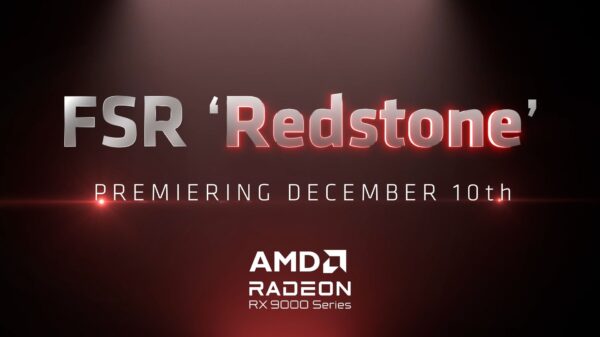













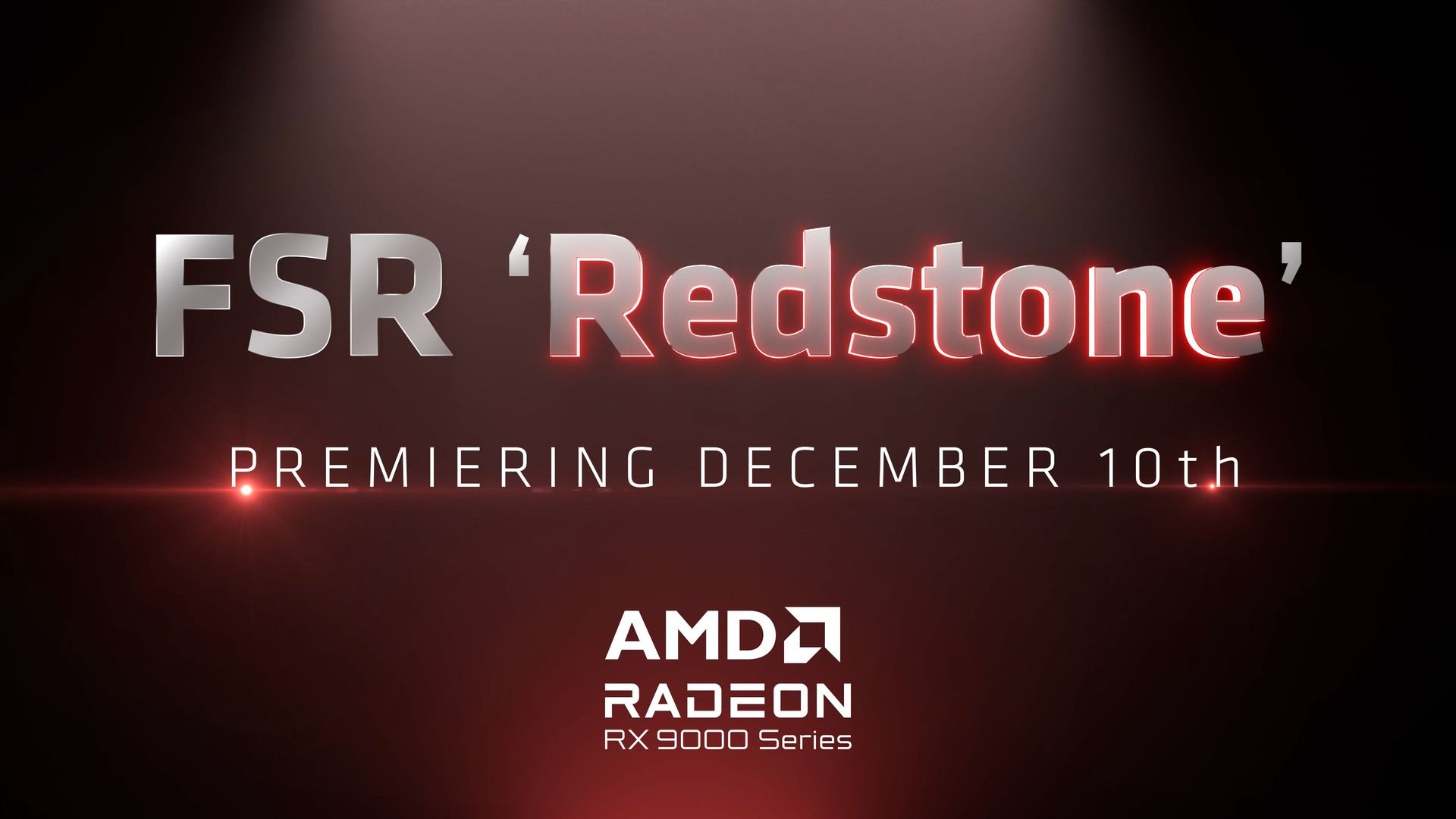
AMD’s recent release of FSR4 Redstone marks a significant advancement in frame generation technology, positioning Team Red to compete directly with Nvidia’s DLSS. However, the new technology is restricted to the latest RDNA 4 architecture, meaning only users of the RX 9000-series GPUs can fully utilize these enhancements. This limitation has sparked dissatisfaction among some gamers, prompting Reddit user u/AthleteDependent926 to devise a workaround enabling older RDNA 3 GPUs to access these features.
The workaround developed by u/AthleteDependent926 specifically targets RDNA 3 hardware operating on Linux systems, requiring the installation of Valve’s Proton compatibility layer for optimal performance. Gamers who successfully complete the setup can enjoy advanced features such as machine-learning-powered neural radiance caching and ray regeneration on older Radeon RX 7000-series graphics cards. These attributes complement the existing AI upscale and frame generation functionalities introduced with FSR4, which have also been constrained to AMD’s latest offerings.
In a curious turn of events, AMD unintentionally leaked the entire source code for FSR4 in August 2025, allowing modders to reverse engineer the technology for compatibility with RDNA 2 cards. This breach led to the development of modifications enabling FSR4 functionalities for older hardware, albeit at a significant performance cost. According to u/AthleteDependent926, users with an AMD Radeon RX 7800 XT experience increased latency with FSR4 Redstone, measuring 0.13ms compared to the 0.07ms latency reported with the previous FSR3 technology. While the increase is notable, many consider it an acceptable trade-off for enhanced features.
Despite the innovative workaround, reactions among the gaming community have been mixed. Some users expressed frustration, arguing that AMD’s restrictions mirror Nvidia’s approach to limiting performance accessibility for older hardware. Others, however, have suggested that AMD’s strategy may be aimed at bolstering sales for the current Radeon RX 9000 series. This theory posits that as sales for these graphics cards begin to slow, AMD might reconsider and potentially release official support for older models that can reliably run FSR4 Redstone.
As the competitive landscape of graphics technology continues to evolve, AMD’s decisions in this regard will likely play a crucial role in shaping the experiences of gamers, particularly those utilizing older hardware. The ongoing discourse among users reflects a broader concern about accessibility in the rapidly advancing tech scene, with many hoping that AMD and other manufacturers will prioritize compatibility to ensure a wider range of users can benefit from cutting-edge features.