




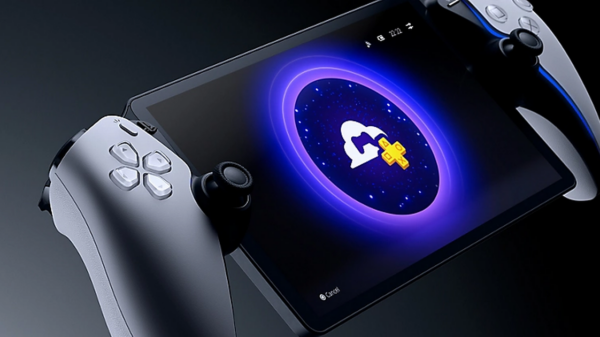























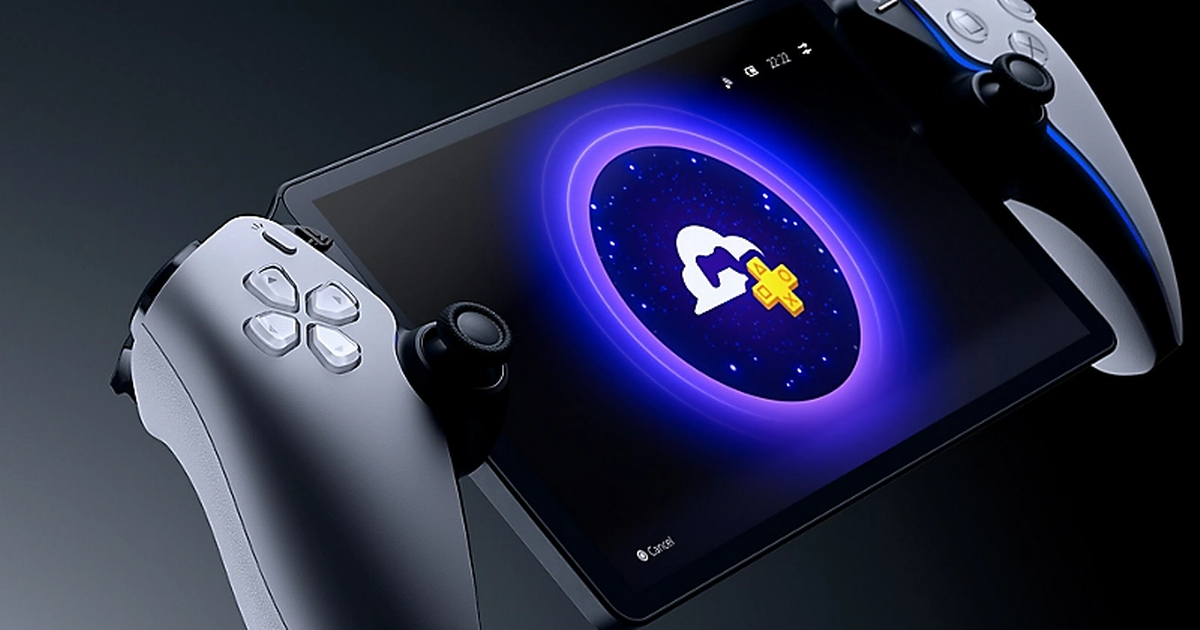
The PlayStation Portal, once considered an expensive add-on for the PS5, is becoming a significant player in the gaming accessory market, especially with the recent announcement of a major update. Launched in November 2023, this handheld device allows users to engage in remote play when connected to a PS5 via Wi-Fi. However, a recent update has introduced the capability to function as a standalone device, enabling users to stream select digital PS5 games directly from their library or the PS Plus Game catalogue.
The device’s transformation is crucial for gamers who may not own a PS5. With this update, it is now possible to buy a Portal, purchase games from the PlayStation Store, and stream them on the device without needing a console. However, to access these features, a PS Plus subscription is necessary, even for streaming games that users already own. This requirement raises questions about the device’s overall value without a PS5.
The PlayStation Portal supports thousands of titles, including popular games such as Astro Bot, Borderlands 4, Fortnite, GTA V, Cyberpunk 2077, God of War Ragnarök, Hogwarts Legacy, and The Last of Us Part II Remastered. This extensive library presents a compelling argument for the device’s appeal, especially considering the improved cloud streaming technology that has been developed. During beta testing earlier this year, users noted that, with a stable internet connection, the performance was commendable, albeit with some input delay and a resolution capped at 1080p.
The PlayStation Portal’s ergonomic design is another highlight, as it resembles a DualSense controller integrated with a screen. Its specifications include an 8-inch 1080p LCD touchscreen capable of 60fps, haptic feedback, and adaptive triggers, making it competitive within the handheld market. Weighing in at just 550g, it is lightweight and comfortable to hold for extended periods, which is a significant advantage for mobile gaming.
Despite its strengths, there are notable drawbacks. The necessity for a PS Plus subscription to access streaming services limits the appeal for those who are considering the Portal solely as a standalone device. Additionally, the absence of built-in Bluetooth support raises concerns for users who wish to connect their preferred wireless headphones. Currently, the device only supports Sony’s Pulse line of headphones natively via PlayStation Link, and while wired options are available, many users may find the lack of flexibility frustrating.
Ultimately, the PlayStation Portal is shaping up to be a worthwhile addition for existing PS5 owners, particularly those who already subscribe to PS Plus. The ability to stream games directly without the need to connect to a console enhances the experience, making it a versatile option for gamers on the go. However, for potential buyers without a PS5, the ongoing monthly subscription fee might make the device less appealing.
In conclusion, the PlayStation Portal’s evolution from a mere accessory to a standalone device marks a significant shift within the gaming landscape. For gamers eager for a new handheld experience, its recent updates and extensive game library position it as a noteworthy contender this holiday season. As cloud gaming technology continues to advance, the Portal may well prove to be more than just a niche product, potentially influencing future developments in gaming hardware.