






























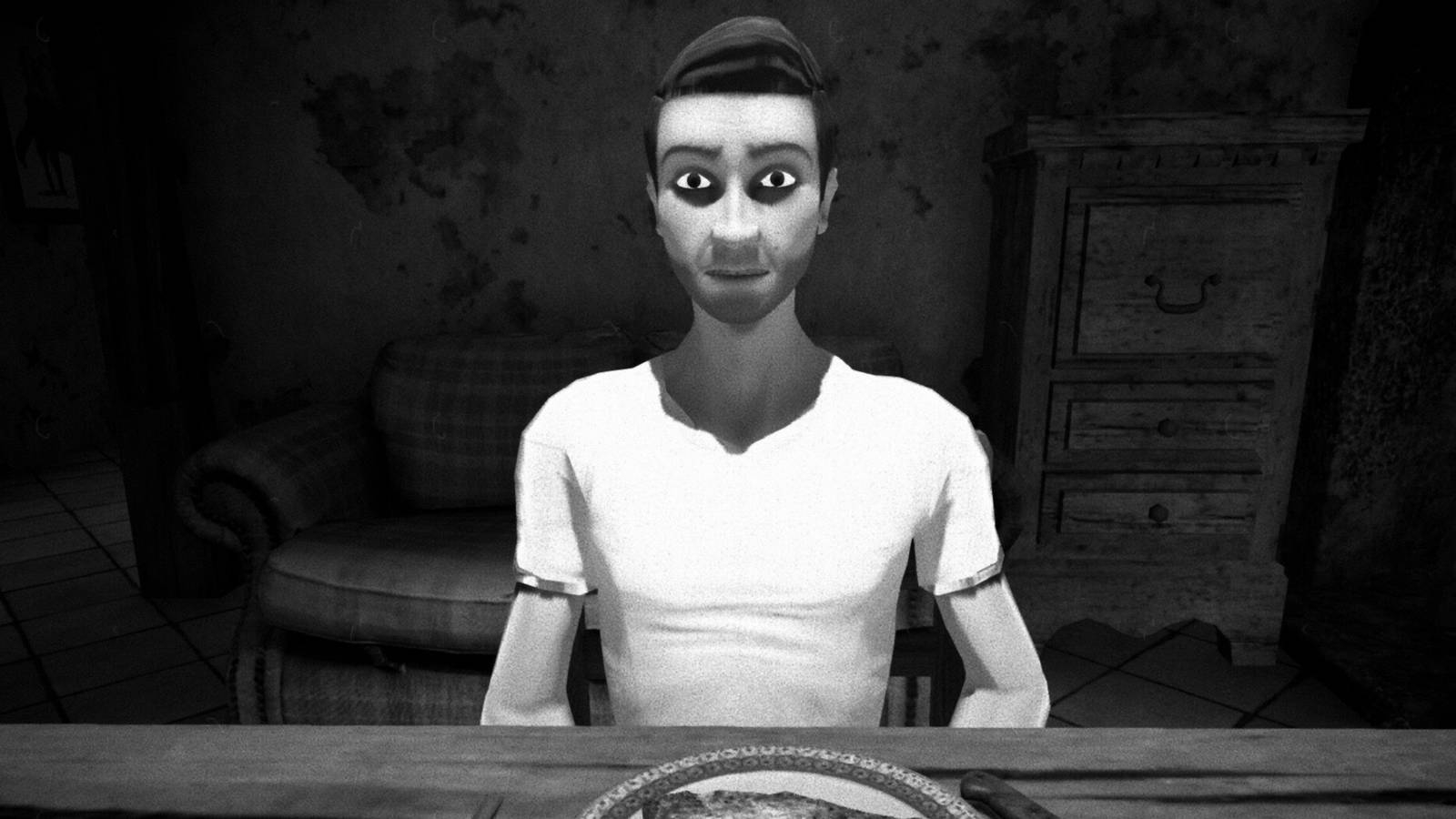
The controversial horror game Horses has seen a tumultuous journey to market, beginning with a ban from the Steam platform several years prior to its launch. While the precise reasons behind this ban remain unclear, it is suggested that content originally included in the game was removed before its final build. Consequently, Steam opted not to re-evaluate the title, maintaining its ban. The situation worsened just before release when the Epic Games Store also decided to exclude the game from its catalog, restricting its availability primarily to platforms like GOG, Itch, and Humble, the latter of which temporarily removed the game as well.
As reported by Eurogamer, developer Santa Ragione indicates that despite these setbacks, Horses has managed to sell approximately 18,000 copies, generating around $65,000 in revenue. This financial influx, while modest, has been enough to cover the debts incurred during the game’s development. However, the studio emphasized that achieving this level of sales does not guarantee a sustainable path forward for future projects.
The studio has expressed cautious optimism, stating that if sales maintain their current trajectory, they might consider funding a new prototype in the future. Nevertheless, the team has found it necessary to take on other jobs and projects to sustain operations in the interim. “Reuniting the team to work on a new game remains a challenge,” the studio noted, highlighting the ongoing struggle for independent developers in a rapidly evolving gaming landscape.
This situation reflects a broader issue within the gaming industry, particularly for indie developers who often face barriers to entry in well-established marketplaces. The decline in visibility and availability can have significant impacts on sales and overall viability, as seen in the case of Horses. Despite the initial controversies and setbacks, Santa Ragione’s situation illustrates the resilience of indie studios. They navigate challenges to deliver unique gaming experiences, often at considerable personal and financial risk.
As the industry continues to evolve, the fate of Horses may serve as a cautionary tale for developers contemplating similar horror-themed projects. The potential for backlash and market rejection is an ever-present reality in a climate where digital storefronts wield substantial power over game visibility. Looking ahead, the success of Horses may prompt other developers to reconsider their strategies for distribution and marketing in a landscape that is increasingly inhospitable to controversy.