



















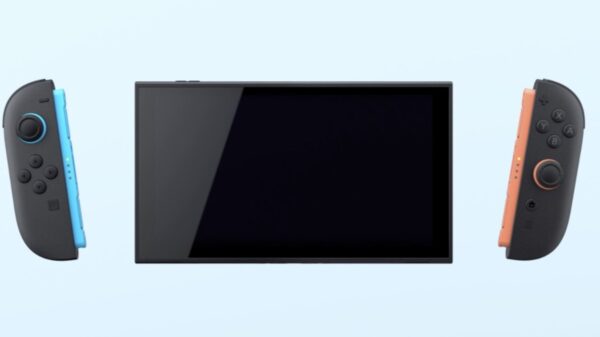






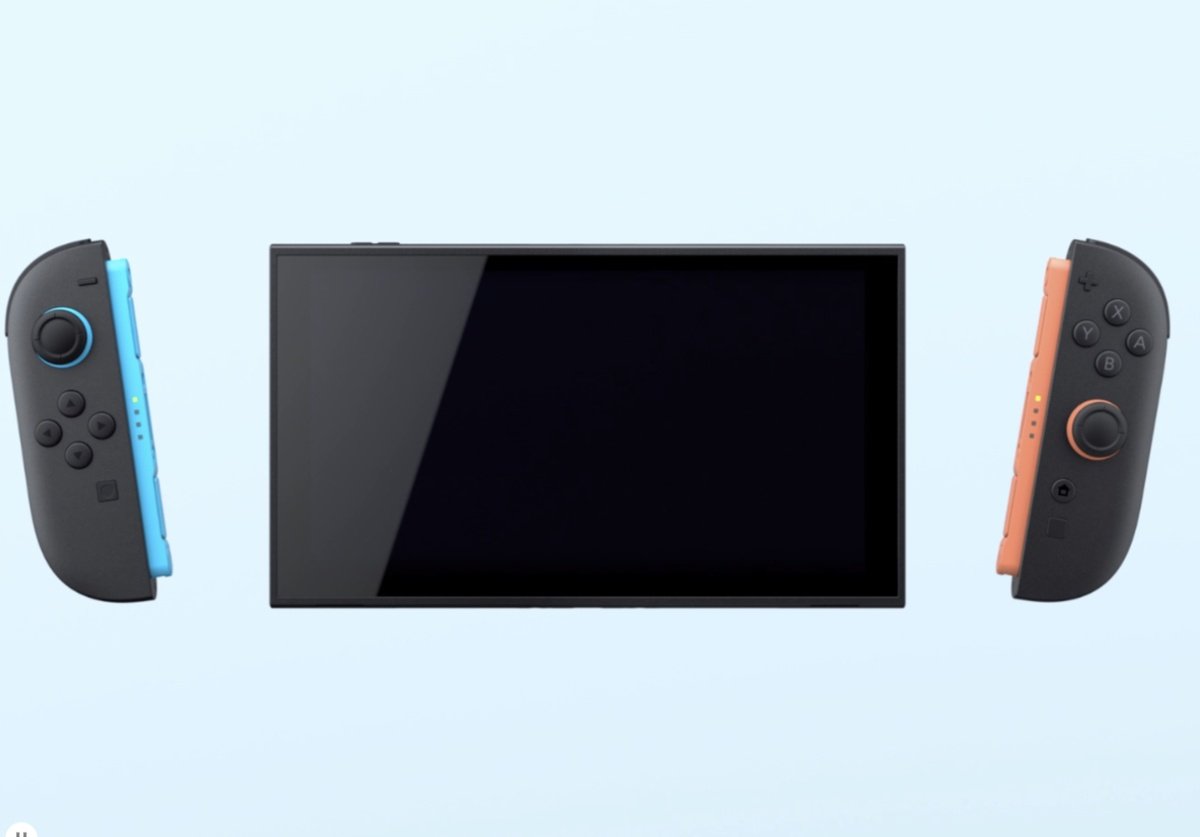
Nintendo is facing mounting challenges with the launch of its latest console, the Nintendo Switch 2, as rising memory component costs threaten profit margins and stock performance. The price of 12 GB LPDDR5X modules has surged by approximately 41%, while 256 GB NAND memory costs have increased by 8%. These heightened expenses come at a critical time for the company, which is still solidifying its market position after a successful launch of the console.
The timing of these price hikes is particularly unfortunate; while the Switch 2 debuted to positive reception, it now must contend with the repercussions of reduced profitability from each unit sold. This situation has contributed to a decline in Nintendo’s stock price, reverting to levels not seen since May. Analysts are closely monitoring the impact of these cost increases on the company’s financial health and its ability to retain a competitive edge in the gaming market.
The primary issue stems from the rising cost of RAM, which has become a more significant portion of the production expenses. As these components account for an increasing share of costs per unit, Nintendo may need to explore new strategies to mitigate these financial burdens. The escalation in memory prices has already led to a downturn in motherboard sales, indicating that the same challenges are likely to affect game consoles moving forward.
With limited options available for navigating this crisis, Nintendo may consider several avenues to alleviate financial pressures. The company could attempt to negotiate better deals with its suppliers or explore less expensive components, though this could impact the quality or performance of the console. Another possibility could involve adjusting the retail package of the Switch 2, potentially scaling back on included accessories or features to lower production costs.
As the video game landscape continues to evolve, companies like Nintendo are compelled to adapt to fluctuating market conditions. The increased memory costs not only jeopardize profit margins but also pose a risk of a price hike for consumers, which could lead to diminished sales. As Nintendo seeks to strengthen its foothold in the competitive gaming arena, these economic challenges underscore the need for strategic foresight and innovation.
Looking ahead, the company must balance cost management with maintaining the quality and appeal of the Switch 2. How Nintendo navigates these financial challenges will be crucial in determining its long-term success in the gaming industry, particularly as competitors also jockey for market share in an increasingly crowded field. The coming months will reveal whether the company can successfully weather this storm while continuing to meet consumer expectations.